The Red Sea, with its vivid coral reefs and vast array of marine life, stands as one of the planet’s most biodiverse marine ecosystems. But what is it about this body of water that has allowed such a rich tapestry of life to flourish within its depths?
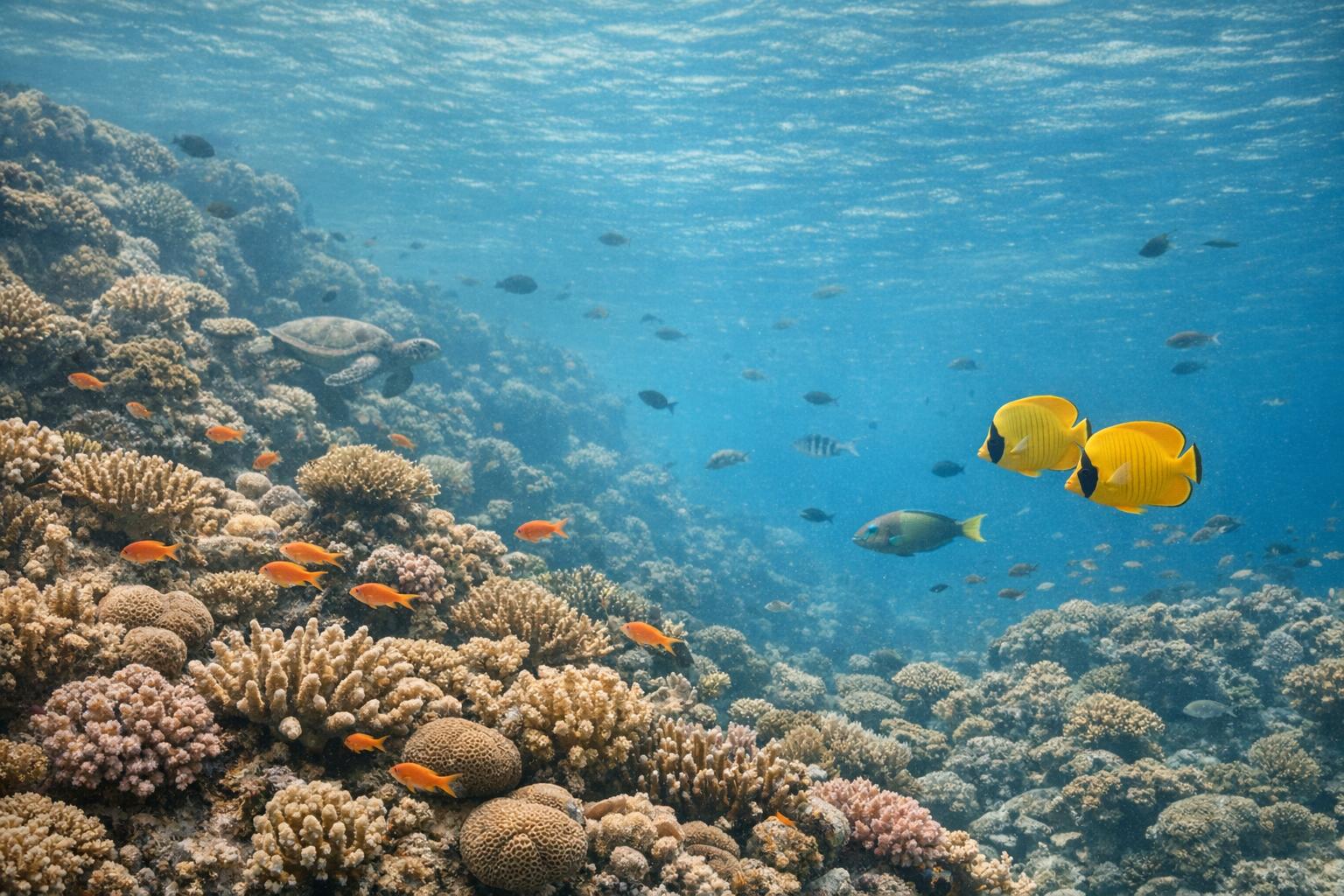
Formed around 25 million years ago, the Red Sea is a result of tectonic movements that have continually shaped its geological structure. Its isolated location and deep, saline waters have fostered a unique environment where marine life can thrive, creating an evolutionary hotspot away from the influences of larger oceanic ecosystems.
A Unique Geological Formation
Historical Significance and Scientific Discoveries
The Red Sea has long been a conduit for trade and exploration, with ancient civilizations navigating its waters. This historical significance is matched by modern scientific exploration, as marine researchers in the Red Sea continue to uncover new species and ecological interactions that offer insights into marine biodiversity.
Field expeditions to the Red Sea reveal a living laboratory where scientists can study adaptive mechanisms of marine species. These expeditions are crucial for understanding how organisms have evolved to survive in the Red Sea’s high-temperature and high-salinity conditions, offering a glimpse into the resilience of life.
Voices from the Field
Conservation and Global Importance
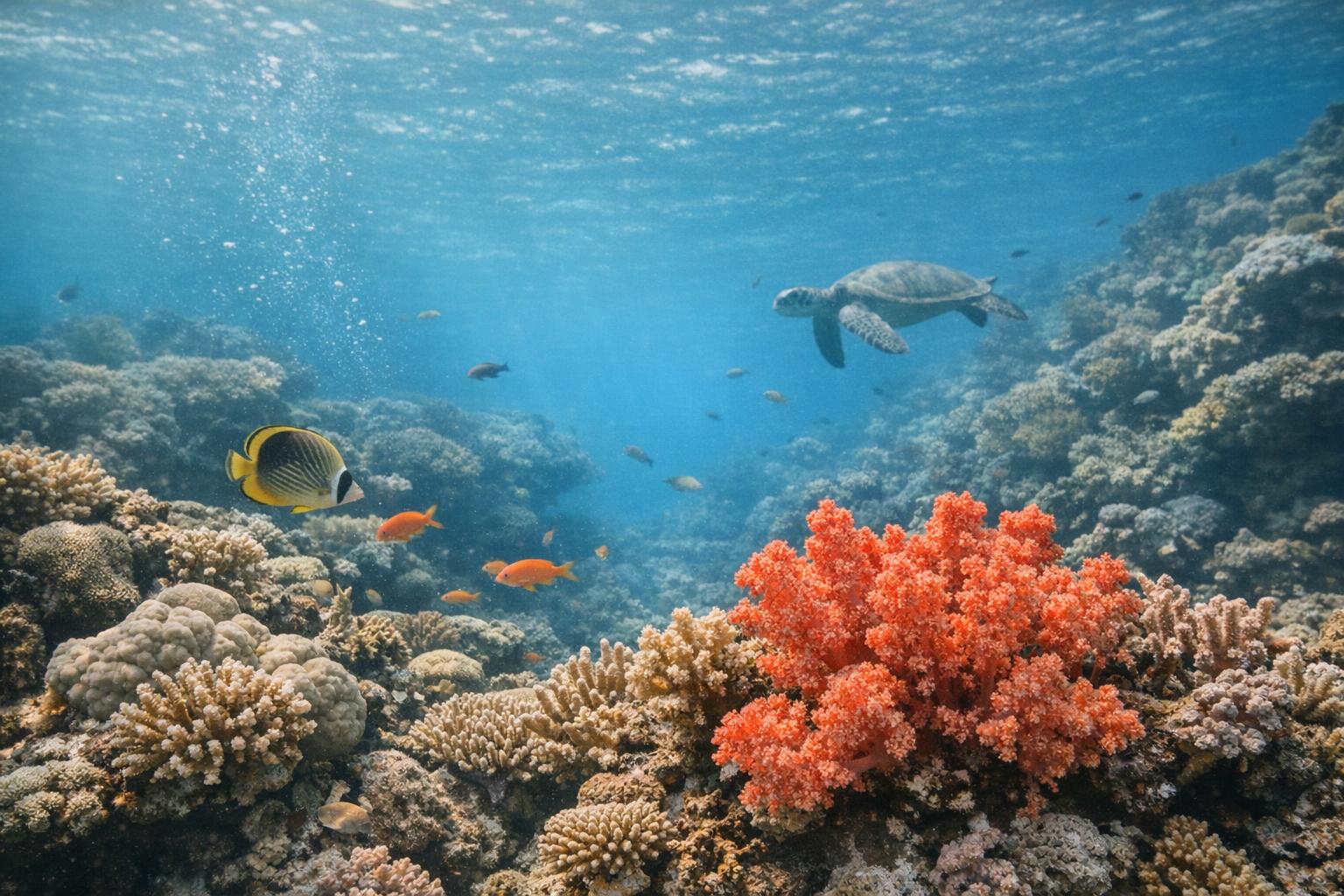
Explorers and marine biologists often speak of the awe-inspiring sights encountered during dives in the Red Sea. From the vibrant corals to the elusive dugongs, each journey into these waters is a testament to the sea’s unyielding vitality and the urgent need to protect such a remarkable ecosystem.
The Red Sea's biodiversity holds significant scientific importance, providing a natural laboratory for studying climate change impacts and resilience. Its unique conditions offer insights that can inform global conservation efforts, emphasizing the need to preserve this irreplaceable marine habitat.
Charting the Future of Red Sea Exploration
Globally, the lessons learned from marine research in the Red Sea are invaluable. As climate change continues to impact marine ecosystems worldwide, understanding the adaptive strategies of Red Sea species could be pivotal in developing global conservation strategies.
While much has been discovered, the Red Sea still holds many secrets waiting to be unveiled. Future research efforts are poised to explore unknown depths, seeking to understand the broader ecological networks and the genetic diversity that underpins this marine marvel.
The continued exploration of the Red Sea promises to reveal more about the intricate balance of life within its waters. Scientists and explorers alike are eager to push the boundaries of our understanding, ensuring this biodiversity is preserved for future generations.
The Explorers Club Middle East Chapter invites you to delve deeper into the wonders of the Red Sea. Whether through attending events, joining expeditions, or supporting ongoing research, there's a place for everyone in this journey of discovery. Together, we can ensure that the Red Sea remains a beacon of biodiversity and a testament to the spirit of exploration.