In the realm of Arabian Peninsula exploration, few names echo with as much reverence and intrigue as that of Wilfred Thesiger. Known for his daring journeys across the Empty Quarter, or Rub' al Khali, Thesiger's expeditions in the mid-20th century unveiled a stark and mysterious landscape that had been largely uncharted by Western explorers.
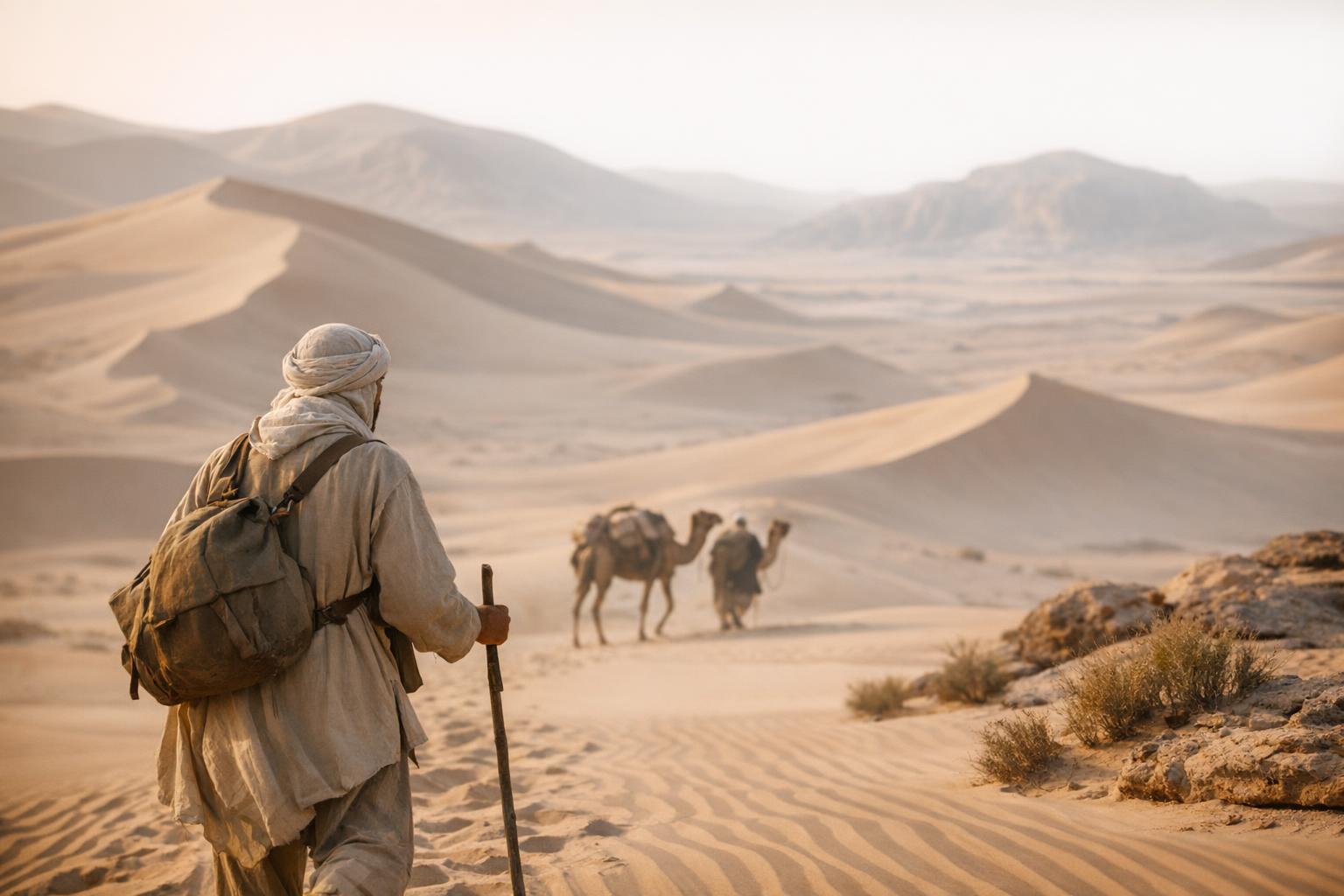
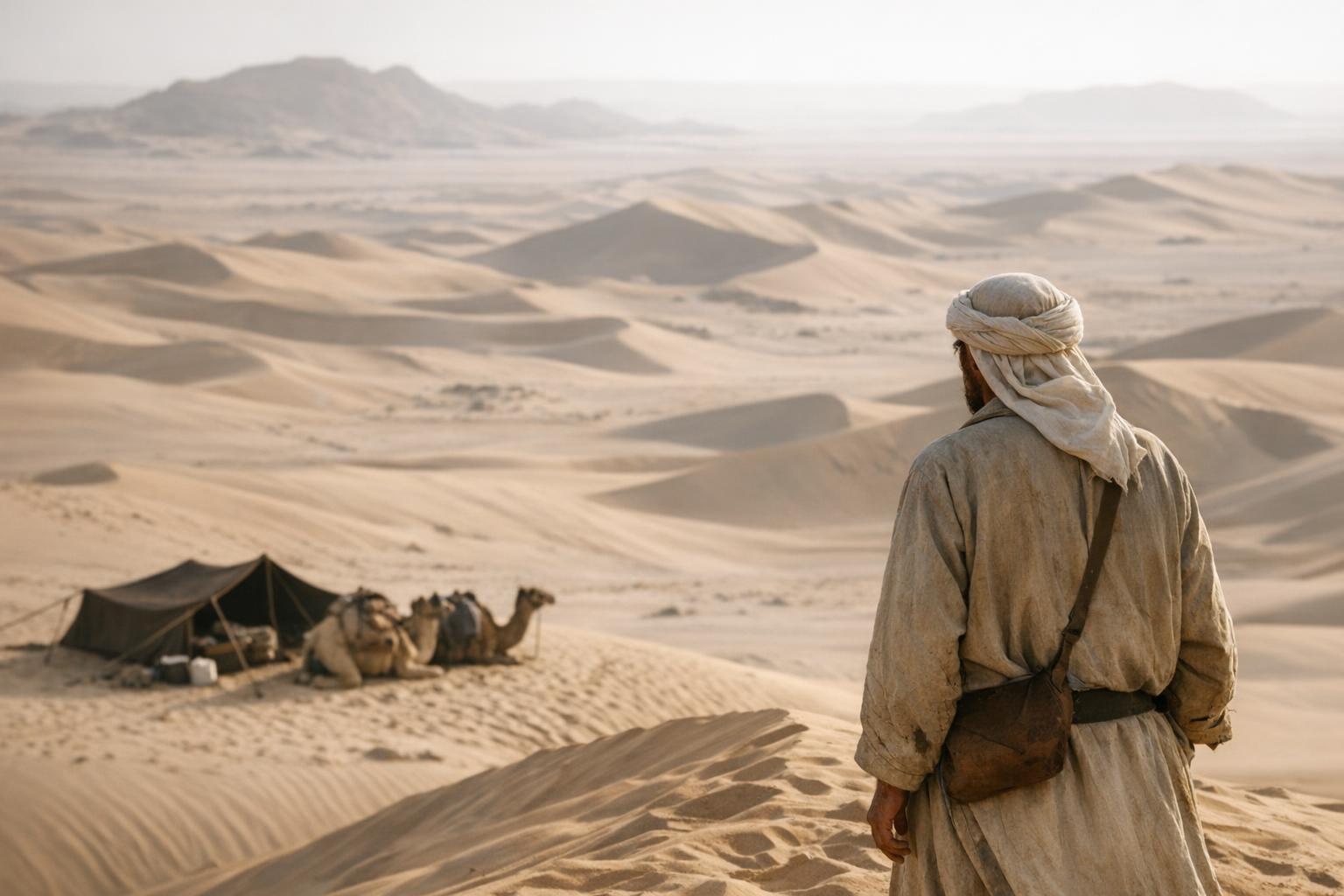
Wilfred Thesiger embarked on his formidable journeys through the Empty Quarter during the late 1940s, a time when the desert was still one of the last great unexplored wildernesses on Earth. Spanning an area larger than France, the Rub' al Khali is the world's largest continuous sand desert, characterized by its inhospitable climate and challenging terrain. Thesiger's exploration was not just a personal quest but a profound contribution to the geographical and cultural understanding of the Arabian Peninsula.
The Context of Thesiger's Expeditions
Scientific and Historical Significance
Thesiger's crossings were not merely acts of endurance; they were pivotal in mapping the topography of the region and documenting its diverse ecosystems and indigenous cultures. His observations provided valuable insights into the hydrology and geology of the desert, as well as the adaptation strategies of the Bedouin tribes who inhabited this harsh environment. These expeditions helped to fill crucial gaps in the scientific knowledge of the time.
From a field perspective, Thesiger's approach was rooted in the ethos of immersive exploration. He lived among the Bedouin, adopting their customs, languages, and way of life. This intimate interaction allowed him to record ethnographic details with a depth and authenticity that were rare for foreign explorers of his era. His writings vividly captured the stark beauty of the desert and the resilient spirit of its people.
The Human Story Behind the Exploration
Conservation Implications
Thesiger's narrative is as much about the human spirit as it is about geographical discovery. His expeditions were marked by mutual respect and friendship with his Bedouin companions, whose guidance was crucial to his survival in the unforgiving desert. Their shared experiences under the blistering sun and starry nights of the Empty Quarter forged bonds that transcended cultural boundaries.
Today, Thesiger's work holds significant conservation implications. As the world grapples with climate change and habitat degradation, understanding the delicate balance of desert ecosystems becomes increasingly important. Thesiger's records of flora, fauna, and human interaction with the environment provide a historical baseline against which to measure ecological changes over time.
Future Explorations and Unanswered Questions
Globally, Thesiger's expeditions underscore the universal human drive to explore and understand. His journeys through the Arabian Peninsula resonate with explorers and scientists worldwide, reminding us of the importance of preserving both natural landscapes and cultural heritage. The Empty Quarter, in its vastness and solitude, continues to inspire a sense of wonder and a call to protect our planet's remaining frontiers.
While much has been learned since Thesiger's time, the Empty Quarter still harbors secrets waiting to be uncovered. Modern technology and collaborative research efforts offer new opportunities to explore its depths and complexities. Future expeditions could unveil further insights into its hidden biodiversity and geological mysteries, expanding our understanding of this enigmatic region.
As we look to the future, the spirit of Thesiger's Arabian Peninsula exploration continues to inspire new generations of explorers and scientists. His legacy is a testament to the power of curiosity and the enduring allure of the unknown. The quest to explore the Empty Quarter remains a compelling chapter in the broader narrative of human discovery.
For those captivated by the stories of exploration and discovery, the Explorers Club Middle East Chapter offers a unique platform to engage with like-minded individuals and contribute to ongoing scientific endeavors. We invite you to join us in our mission to explore, understand, and conserve the rich natural and cultural heritage of the Middle East.