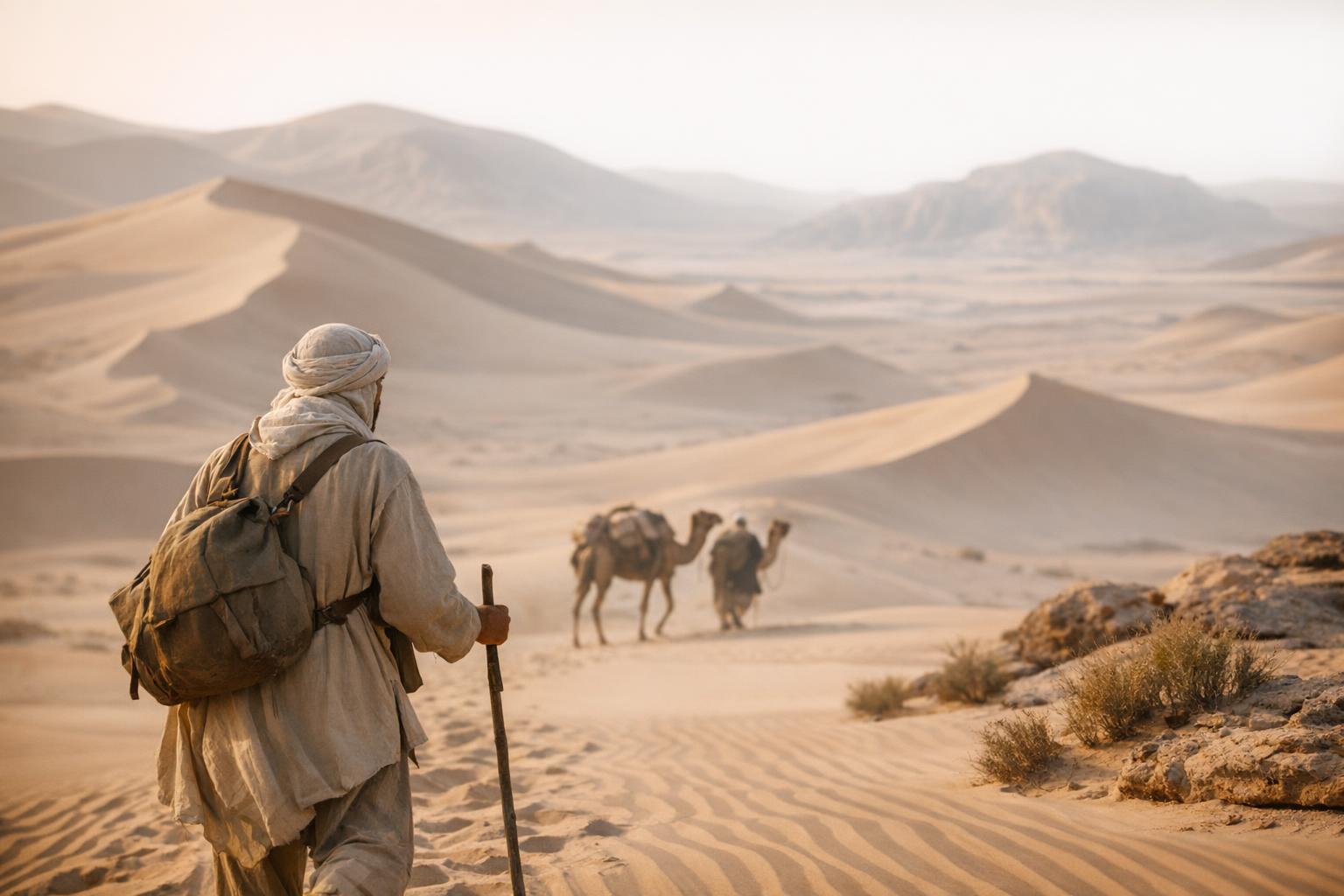
In the annals of history, the name Marco Polo often emerges as synonymous with exploration and adventure. However, it is the lesser-known Ibn Battuta, a 14th-century Moroccan explorer, who deserves recognition for covering more ground than his Venetian counterpart.
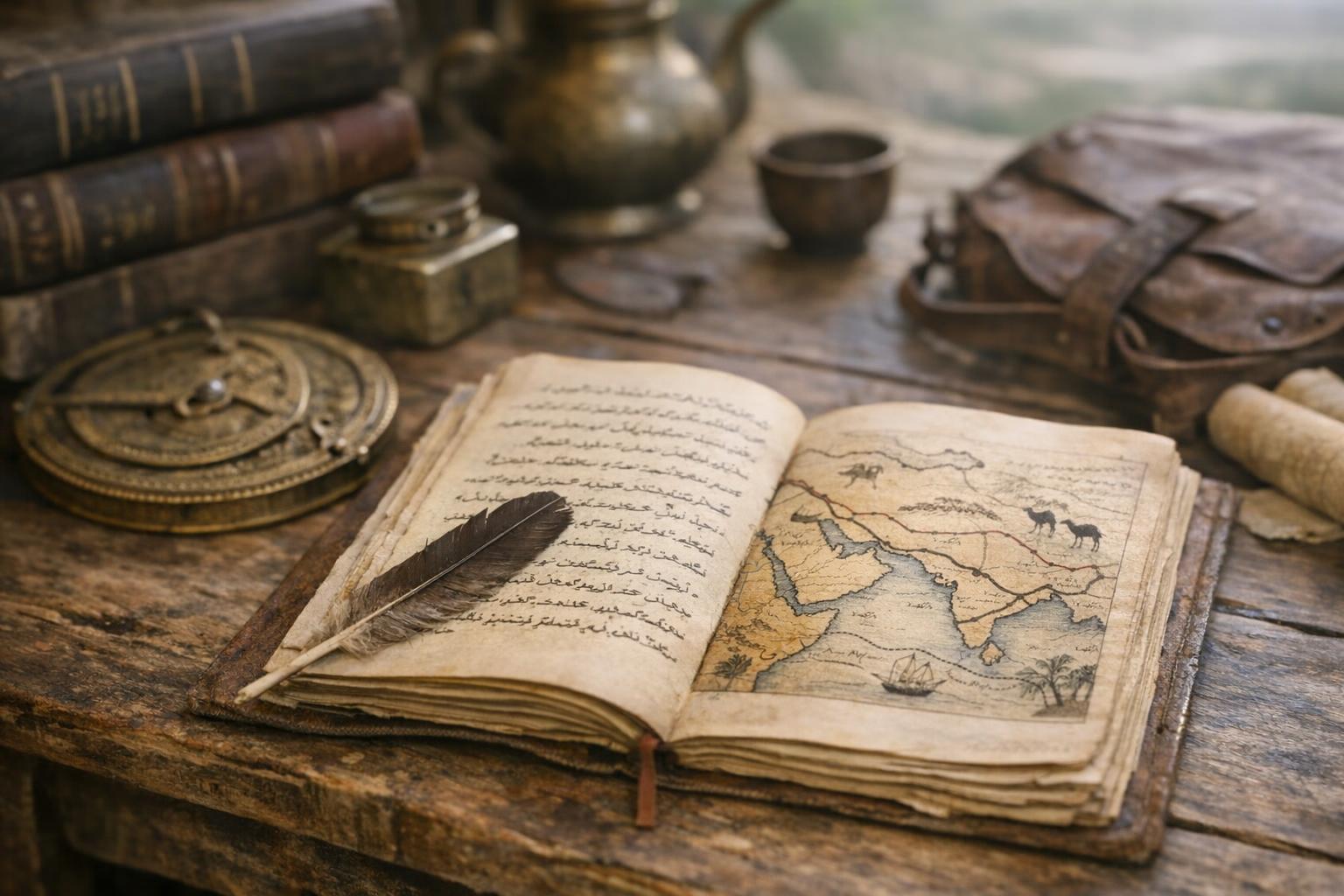
Born in Tangier in 1304, Ibn Battuta embarked on his first journey in 1325. What started as a pilgrimage to Mecca turned into a 29-year odyssey across Africa, the Middle East, India, and China. His travels spanned approximately 73,000 miles, a testament to his relentless curiosity and the interconnectedness of the medieval world.
The Context of Ibn Battuta's Travels
Historical and Scientific Dimensions
Ibn Battuta's journeys were not merely about distance; they reflected the rich tapestry of medieval Islamic civilization. His observations offer invaluable insights into the sociopolitical and cultural landscapes of the regions he traversed. His accounts, documented in the Rihla, serve as primary sources for historians and scholars, shedding light on the diverse cultures and economies of the 14th century.
From Cairo to Constantinople, and onward to the distant lands of India and China, Ibn Battuta's travels were akin to a modern-day field expedition. His meticulous observations of local customs, trade practices, and regional governance provide a detailed account akin to an anthropologist's field notes.

The Human Element of Ibn Battuta's Narratives
Scientific Significance and Conservation Implications
At the heart of Ibn Battuta's travels is a deeply human story—an explorer driven by faith, curiosity, and a desire to connect with diverse peoples. His adventures are filled with tales of hospitality, challenges faced in unfamiliar terrains, and the wonders of the natural world.
Ibn Battuta's accounts provide essential data for understanding historical climate patterns, trade routes, and biodiversity of the regions he visited. Modern scientists and conservationists can glean information relevant to current environmental and cultural preservation efforts.
The Future of Exploration and Unanswered Questions
In a global context, Ibn Battuta's journeys highlight the interconnectedness of different cultures long before globalization became a buzzword. His travels demonstrate the exchange of ideas, goods, and knowledge, laying the groundwork for understanding global cultural exchanges.
While much has been learned from Ibn Battuta's writings, many questions remain. How did his interactions shape the regions he visited? What unknown travels or routes might still be uncovered in ancient manuscripts? The spirit of exploration continues as scholars delve deeper into his narratives.
Ibn Battuta's journey is a compelling reminder of the power of exploration and the enduring legacy of those who seek to understand the world beyond their horizons. His story resonates with today’s middle east explorer community, inspiring a new generation of adventurers and researchers.
The Explorers Club Middle East Chapter invites you to dive deeper into the legacy of explorers like Ibn Battuta. Join us as we continue to uncover the mysteries of the past and contribute to the understanding of our world. Explore, learn, and be part of a community dedicated to scientific discovery and adventure.