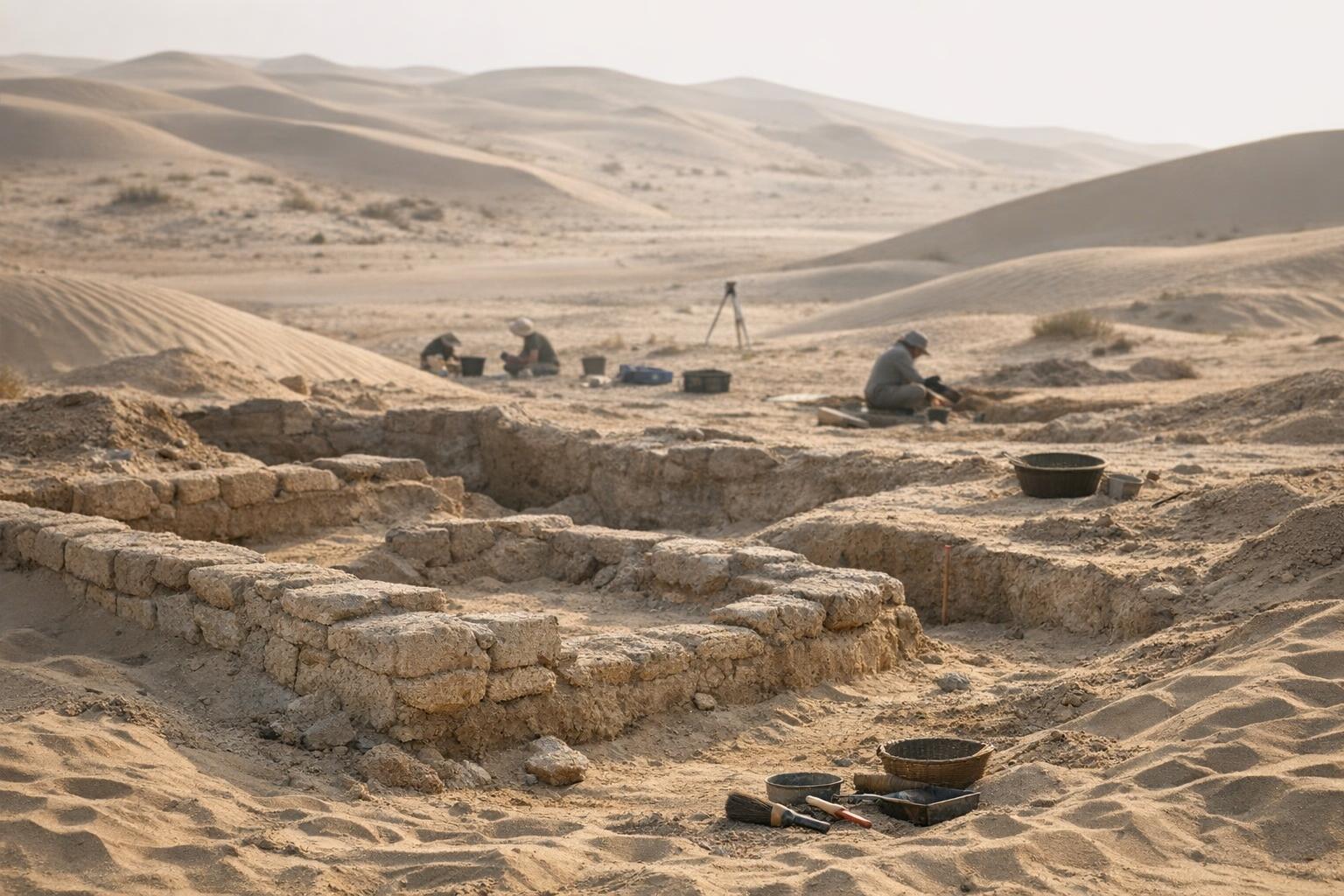
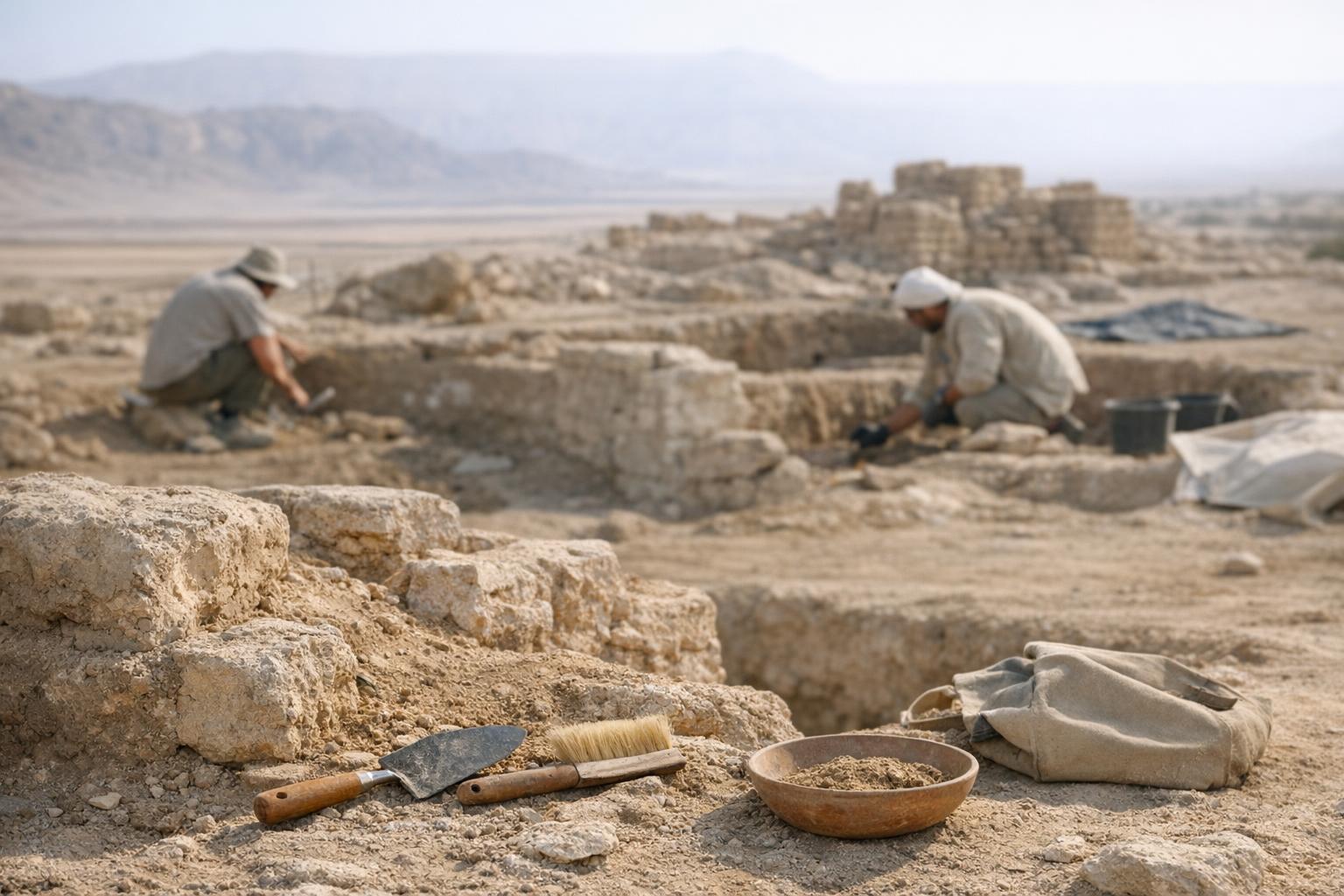
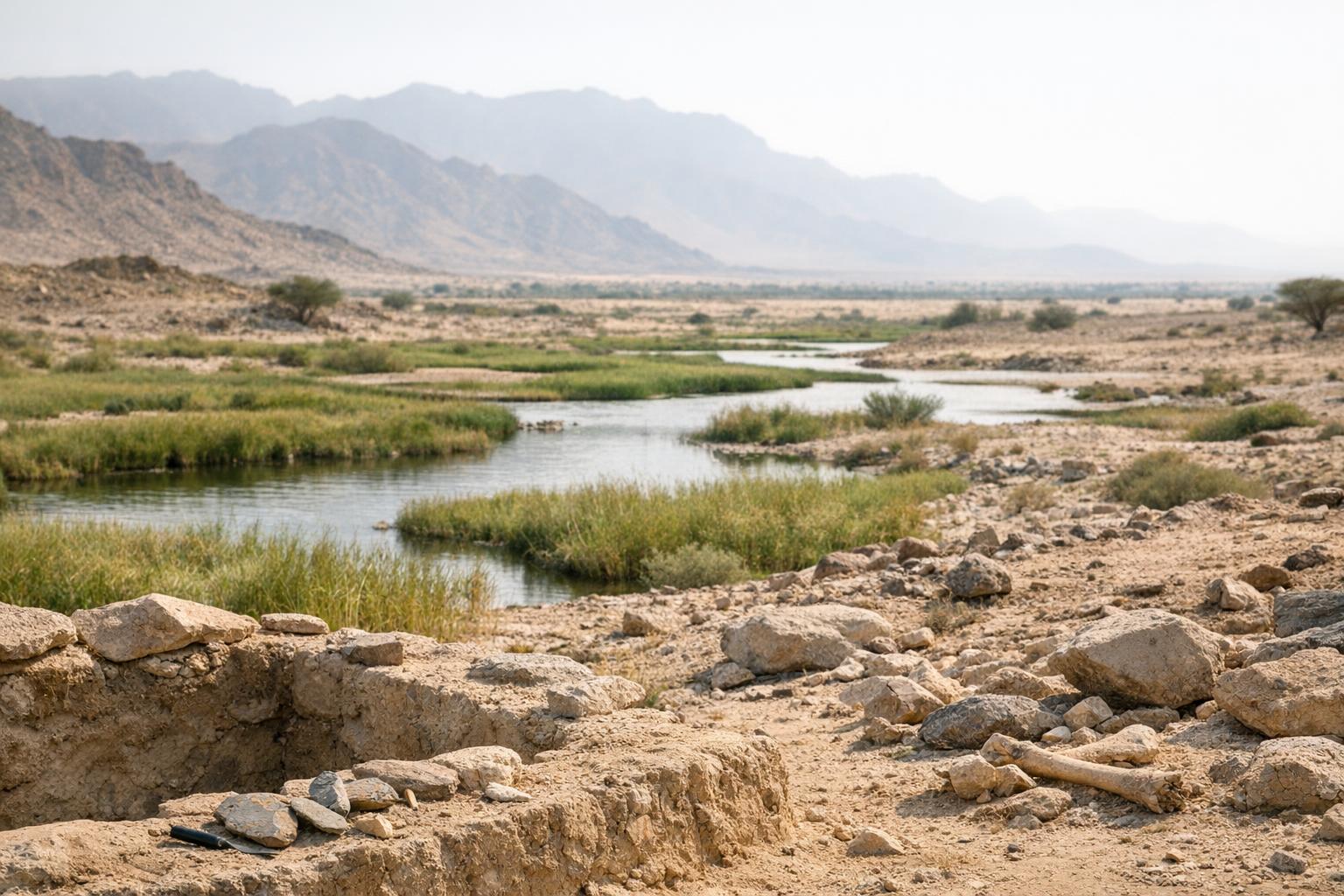
Imagine uncovering ancient cities, long buried beneath the sands of the Middle East, without ever setting foot on the ground. This is the power of satellite archaeology, a cutting-edge discipline that is changing the face of archaeological discovery.
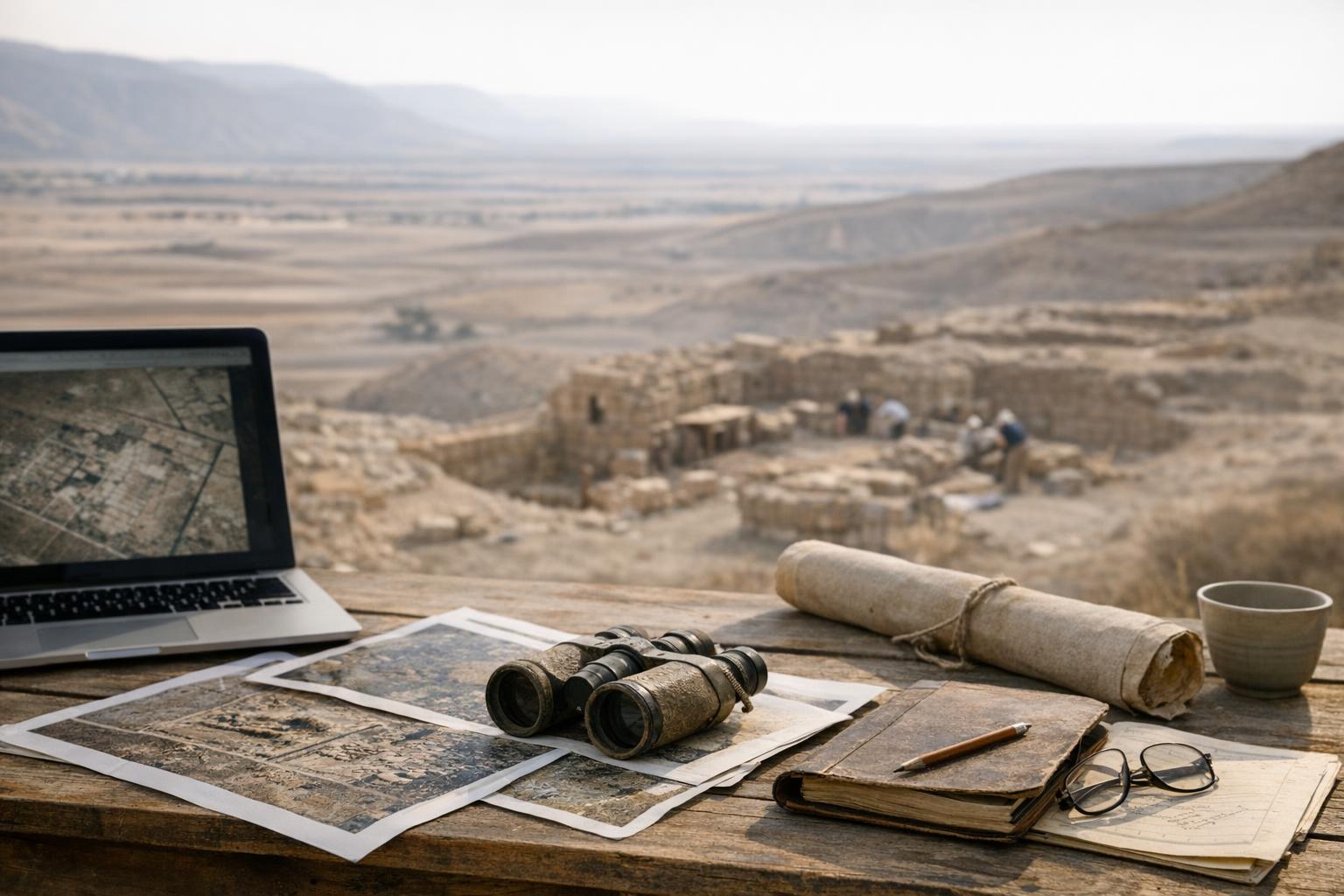
Satellite archaeology leverages high-resolution imagery to detect subtle changes in vegetation, soil, and terrain that often indicate the presence of archaeological sites. This innovative approach has unveiled thousands of previously unknown sites across the Middle East, a region rich with history yet challenging to explore through traditional methods.
Revolutionizing Archaeological Discoveries
The Science Behind the Technology
Using advanced imaging techniques like infrared and radar, satellites can penetrate dense vegetation and even certain soil layers to reveal structures hidden from the naked eye. This allows researchers to map out vast areas quickly and efficiently, identifying sites that may have taken years to discover using ground-based methods.
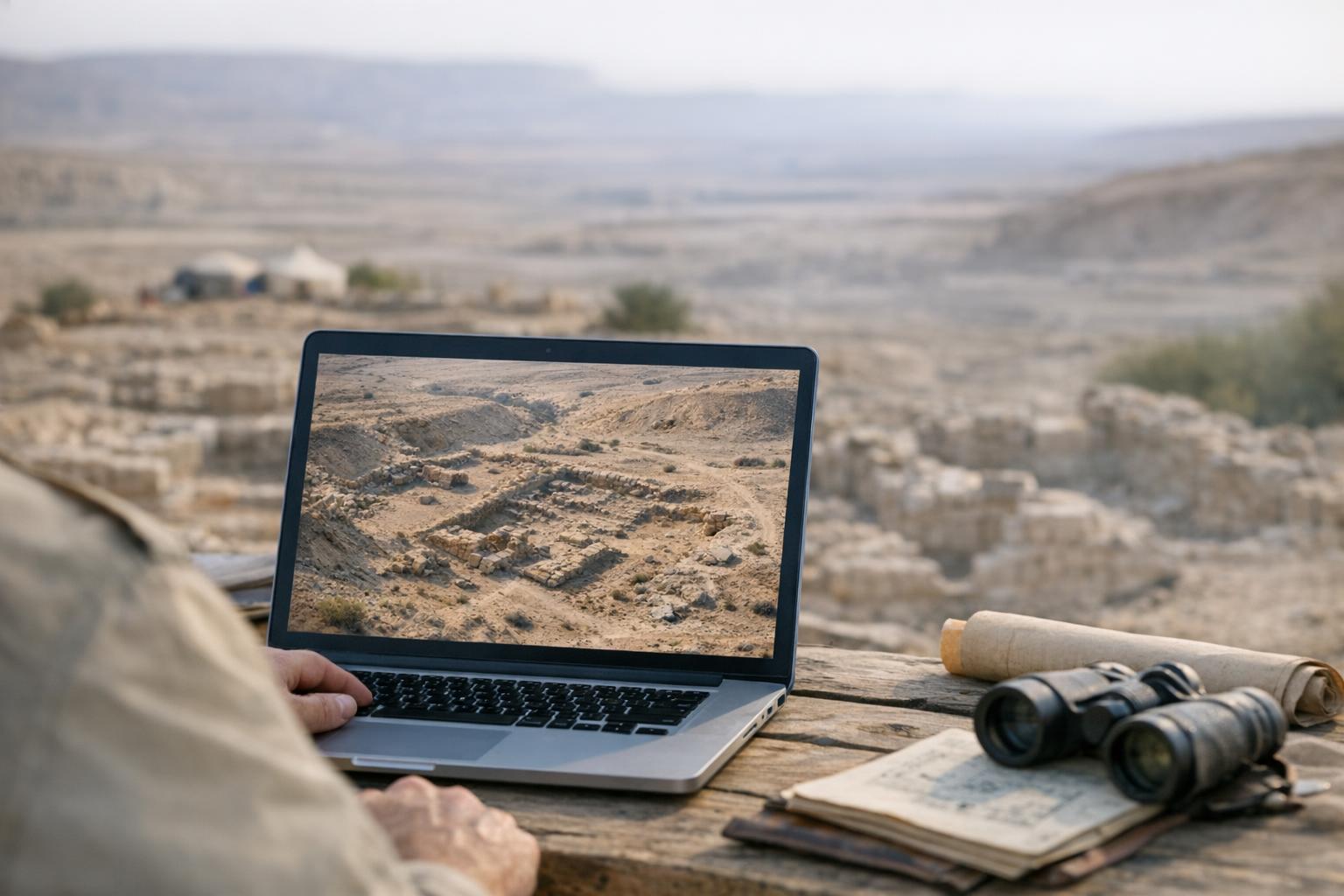
Field archaeologists are now equipped with detailed satellite maps as they embark on expeditions, allowing them to focus their efforts on promising locations. This targeted approach not only saves time and resources but also minimizes the environmental impact of excavation.
Unearthing Human History
Impact on Conservation Efforts
For those passionate about discovery, satellite archaeology offers a new lens through which to view our past. It connects modern technology with ancient history, providing insights into how past civilizations thrived in the harsh environments of the Middle East.
The identification of these sites not only enriches our understanding of history but also plays a crucial role in conservation. By knowing the exact locations of archaeological sites, governments and organizations can work to protect these cultural treasures from threats such as urban development and looting.
The Future of Archaeological Exploration
This technology is not just a boon for the Middle East but has global implications. As satellite archaeology continues to evolve, it opens the door to discoveries in other regions, reshaping our understanding of human history worldwide.
The potential for future discoveries is immense. As satellite technology advances, so too does our ability to uncover the secrets of the past. There remain countless sites yet to be discovered, each with the potential to redefine our knowledge of ancient civilizations.
As we look to the future, one thing is clear: satellite archaeology will continue to play a pivotal role in uncovering the mysteries of the past, offering a new frontier for exploration and understanding.
Join us at the Explorers Club Middle East Chapter as we delve deeper into the wonders of our region, driven by a passion for discovery and a commitment to preserving our shared heritage. Stay connected with our latest expeditions and research endeavors.