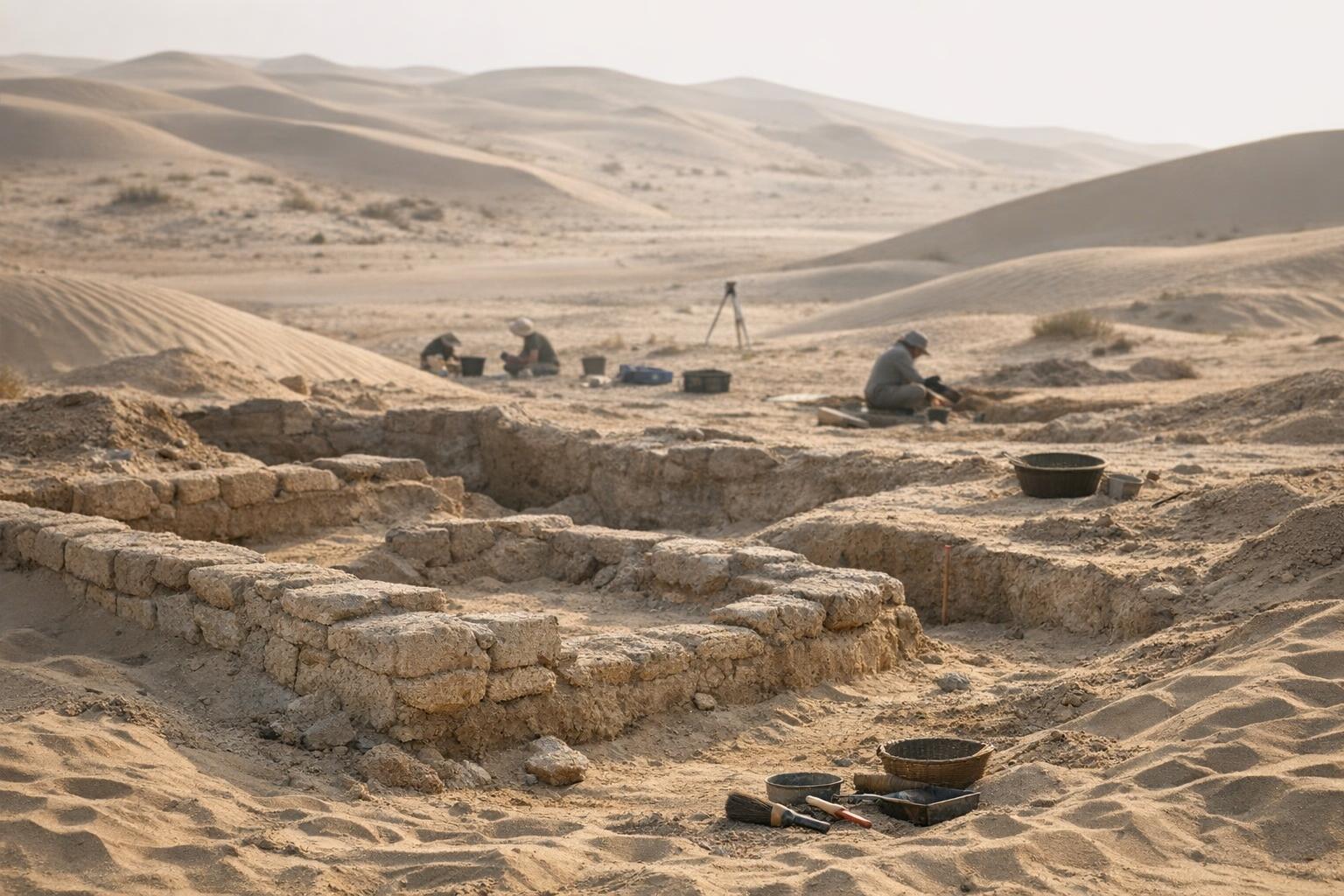
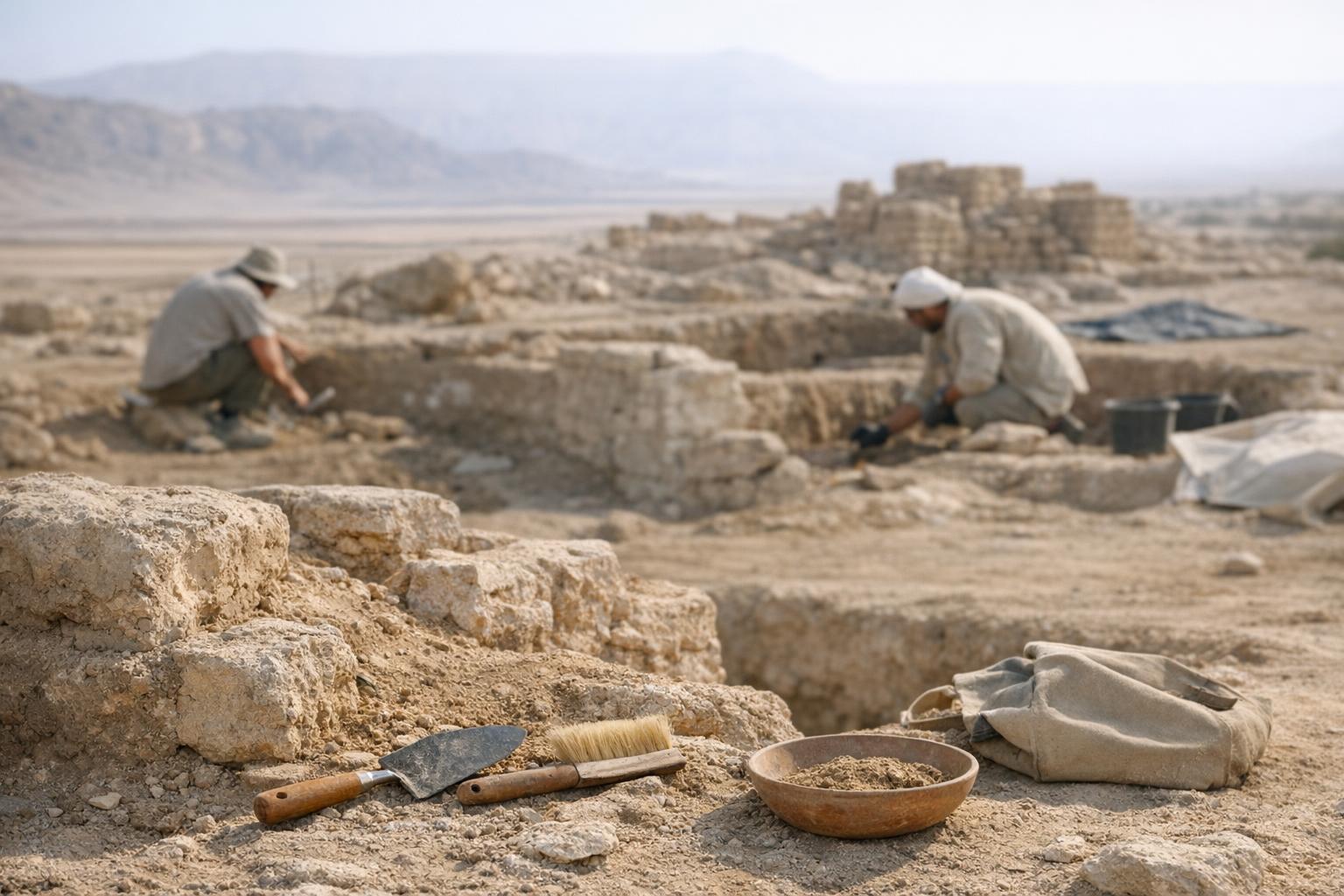
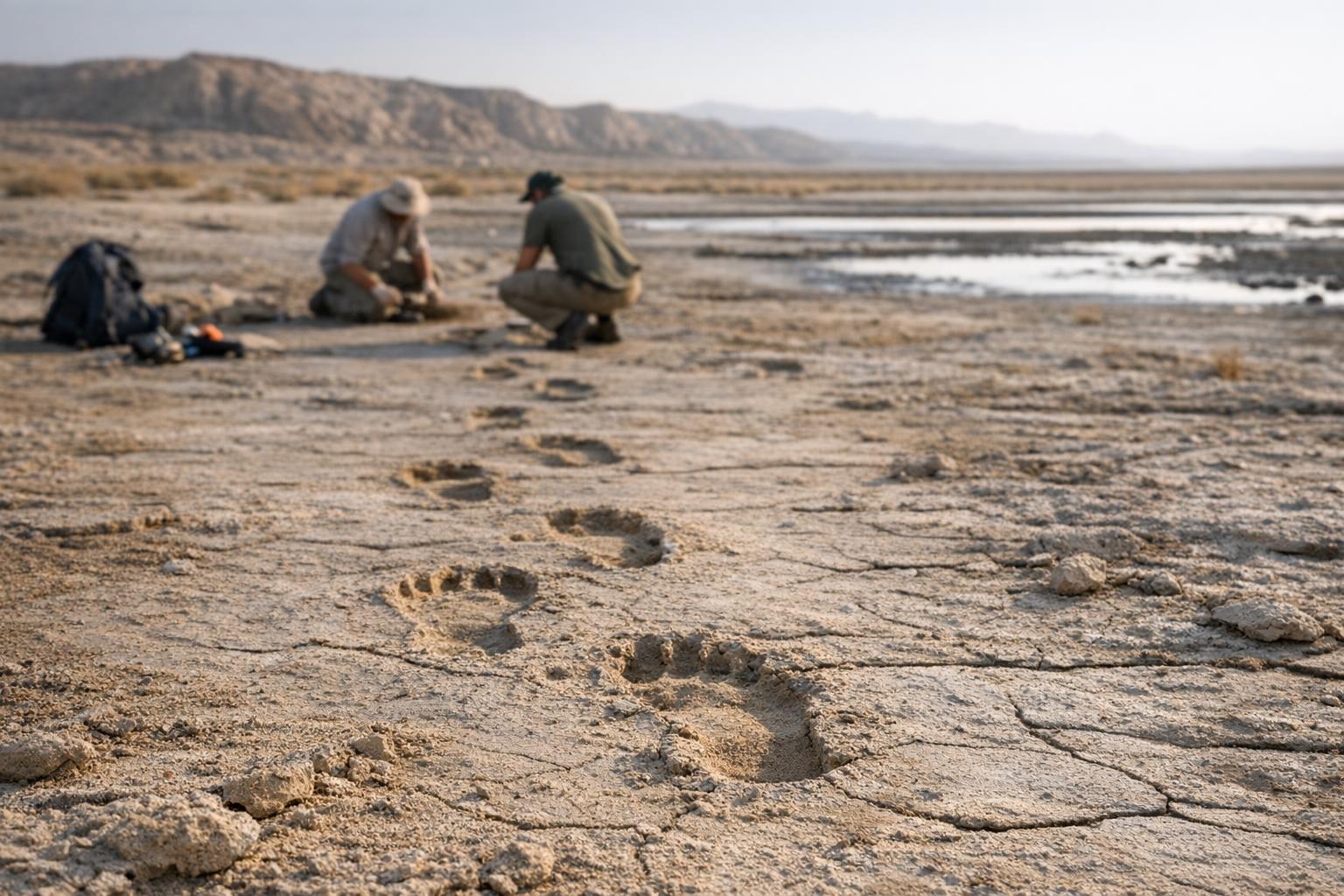
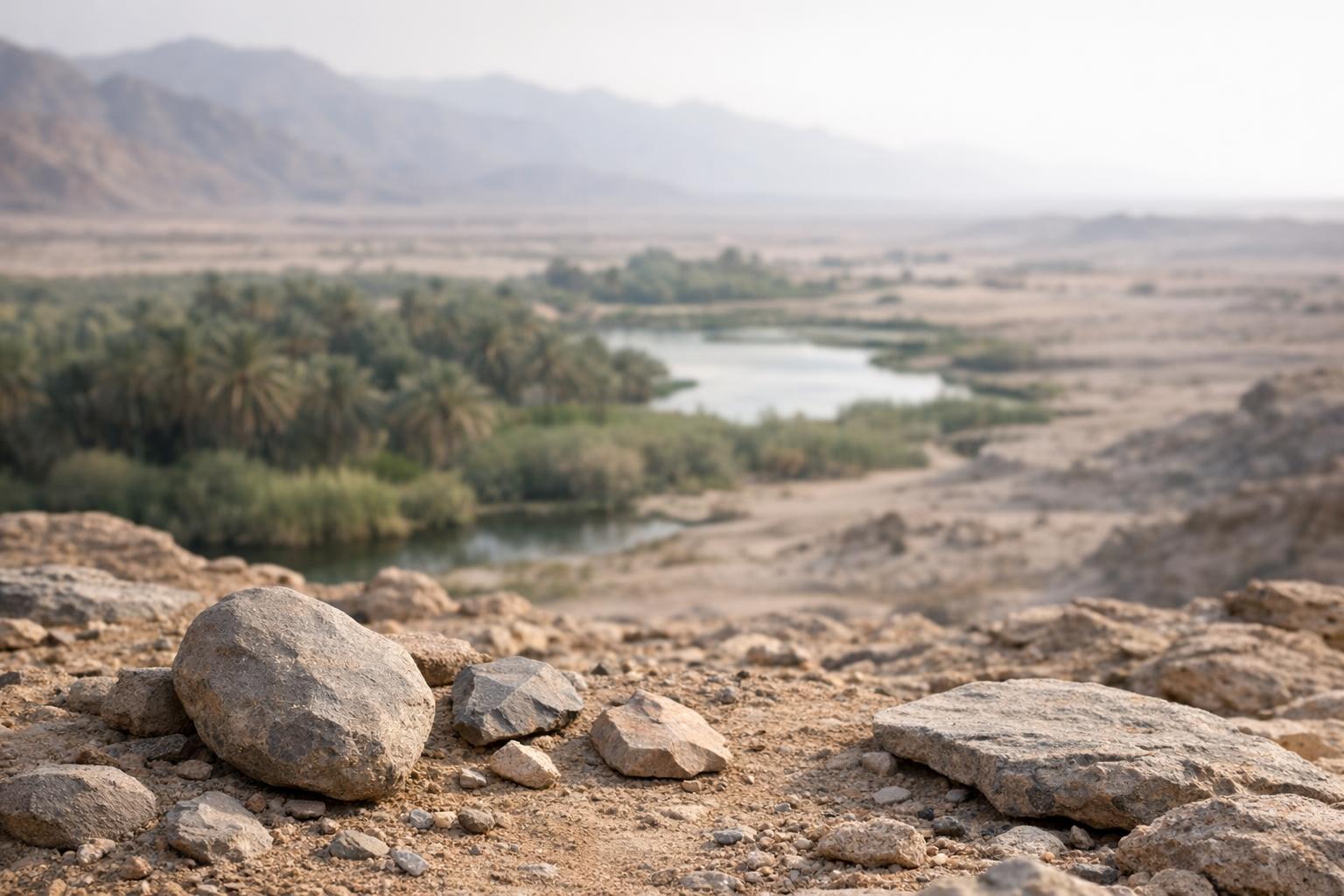
Imagine a lush, verdant Arabian Peninsula, teeming with life, an oasis amidst the arid landscapes we know today. This is not a scene from a science fiction novel but a hypothesis gaining traction among scientists: the Green Arabia Hypothesis, suggesting that this region was once a crucial cradle of human migration.
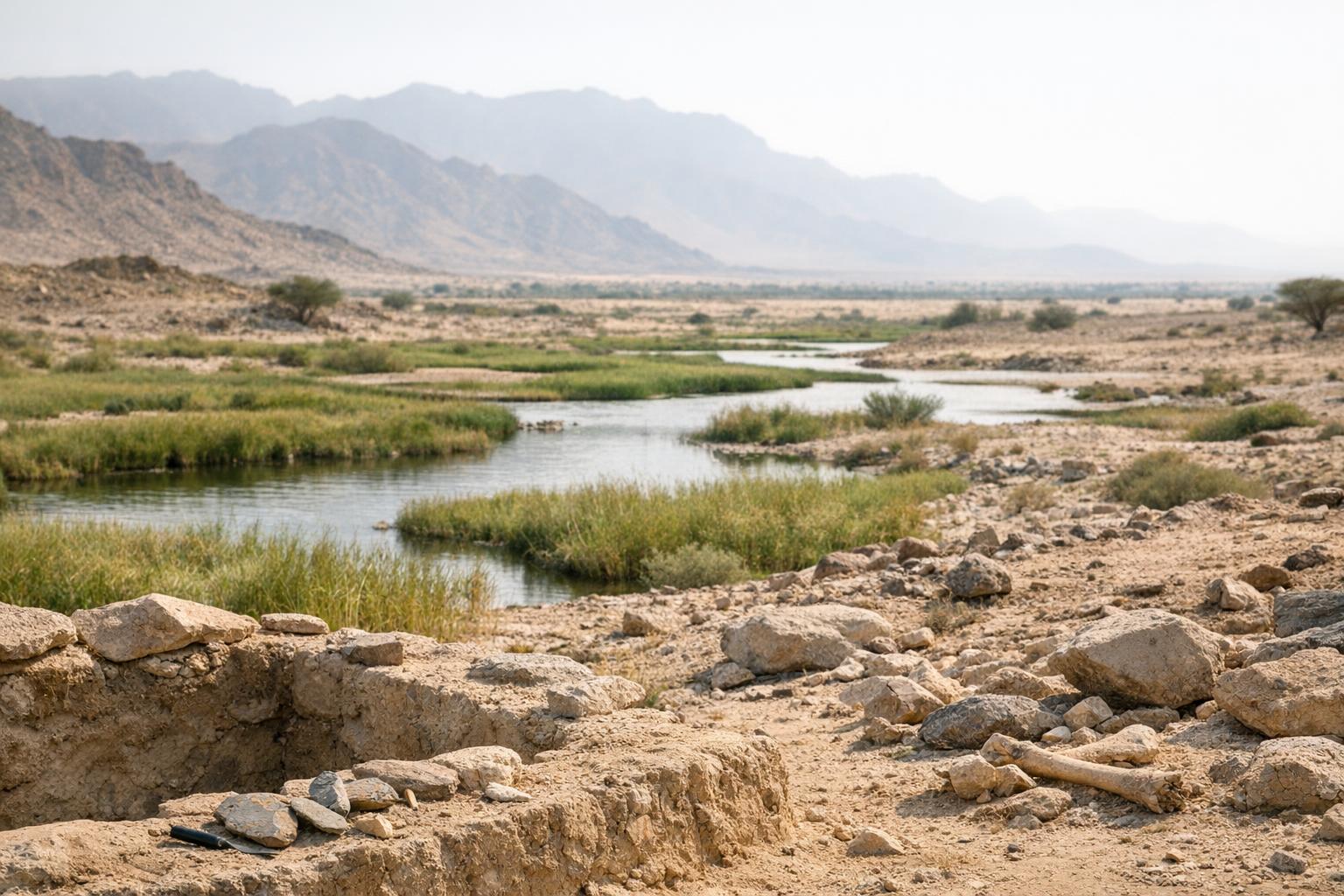
During the Pleistocene epoch, climatic shifts transformed the Arabian Peninsula into a mosaic of grasslands, rivers, and lakes. This transformation created fertile grounds for human habitation and movement. This context sets the stage for the Green Arabia Hypothesis, which posits that these periods of climatic amelioration facilitated significant human migrations across and out of Africa.
A Transformative Climate
A Gateway for Human Migration
The Arabian Peninsula's strategic location as a bridge between Africa and Eurasia has long intrigued researchers. Recent evidence, including fossil records and ancient tools, indicates that the Peninsula served as a vital corridor for early humans venturing out of Africa, making it a pivotal region in the story of human evolution.
Field expeditions across the Arabian desert have unearthed stone tools and fossils that provide compelling evidence for the Green Arabia Hypothesis. Archaeologists from the Explorers Club Middle East Chapter have been at the forefront of these discoveries, braving harsh conditions to unlock the secrets of this ancient landscape.
Voices from the Field
Implications for Science and Conservation
Dr. Ahmed Al-Mansoori, a leading archaeologist, describes the moment he uncovered a perfectly preserved hand axe as one of profound connection. 'Holding that tool, crafted by our ancestors, I could almost hear the echoes of their footsteps across these ancient landscapes,' he reflects, highlighting the deeply human element of these scientific pursuits.
Understanding the historical ecology of the Arabian Peninsula has broader implications for contemporary conservation efforts. By reconstructing past environments, scientists can better predict future climate scenarios and develop strategies to preserve the region's unique biodiversity.
The Uncharted Future
The insights gained from middle east exploration not only enrich our understanding of human history but also underscore the interconnectedness of global ecosystems. As researchers draw connections between past climates and human migration patterns, they contribute to a global narrative that transcends temporal and geographic boundaries.
Despite significant strides, much remains unknown about the Green Arabia Hypothesis. Future expeditions aim to uncover more evidence and fill the gaps in our understanding of this ancient migration route. Advanced technologies, like remote sensing and genomic analysis, promise to unveil further secrets beneath the desert sands.
As science continues to peel back the layers of the Arabian Peninsula's past, the potential for new discoveries remains vast. The region stands as an open book, inviting explorers and researchers to write the next chapters in the saga of human migration.
The Explorers Club Middle East Chapter invites you to join us in this ongoing journey of discovery. Whether through expeditions, research, or public events, there are myriad ways to engage with our work and contribute to the unfolding story of human history in this fascinating region.