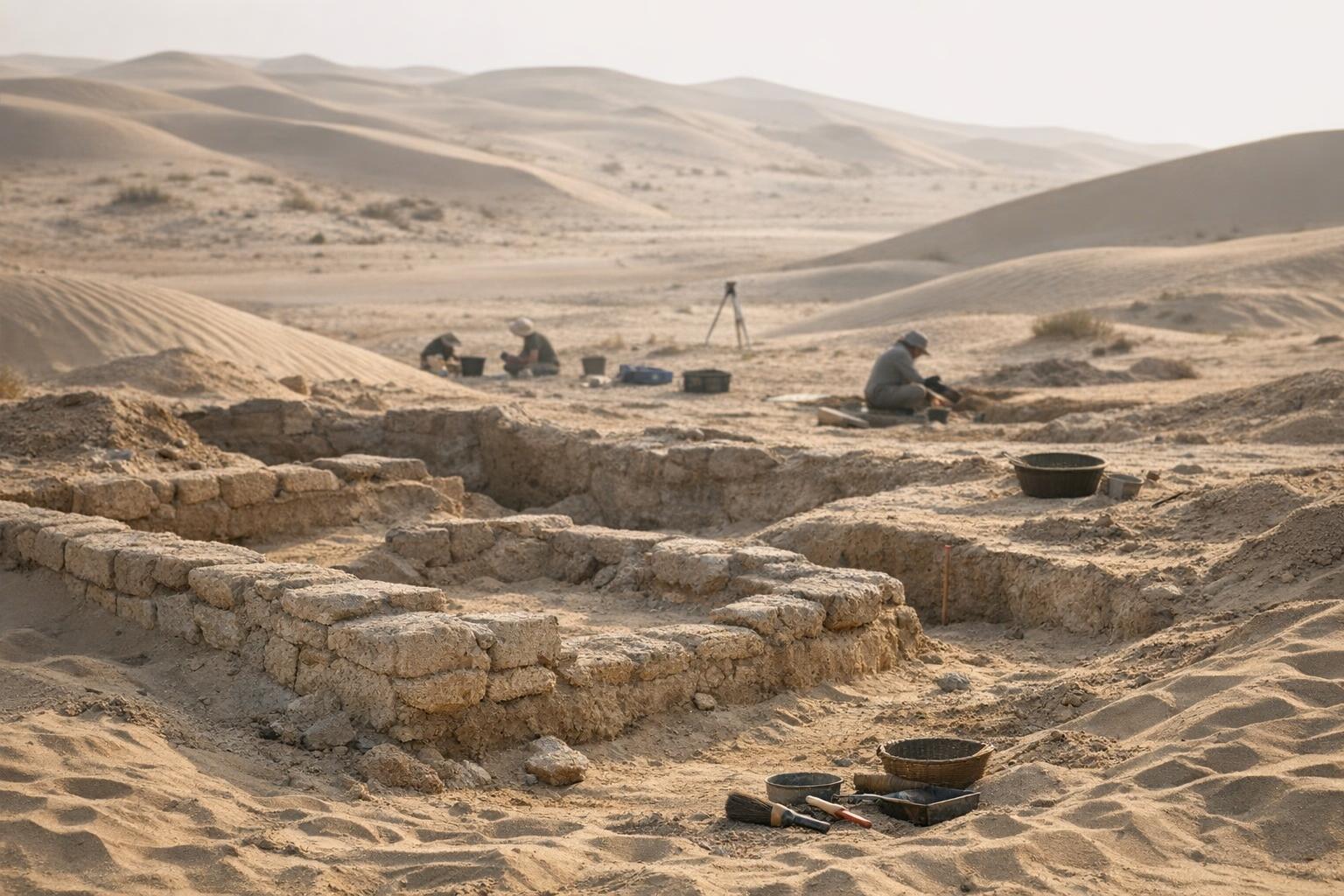
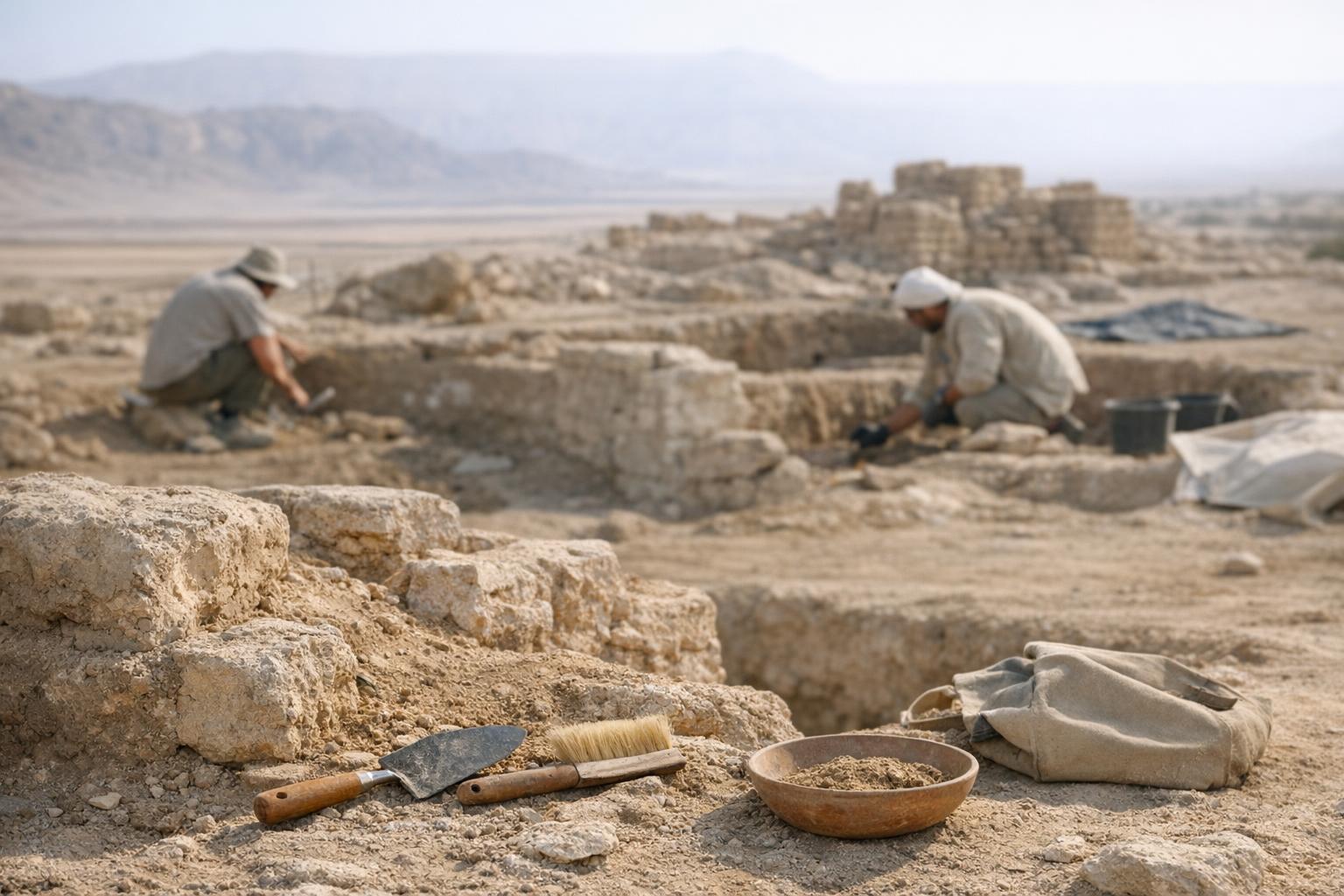
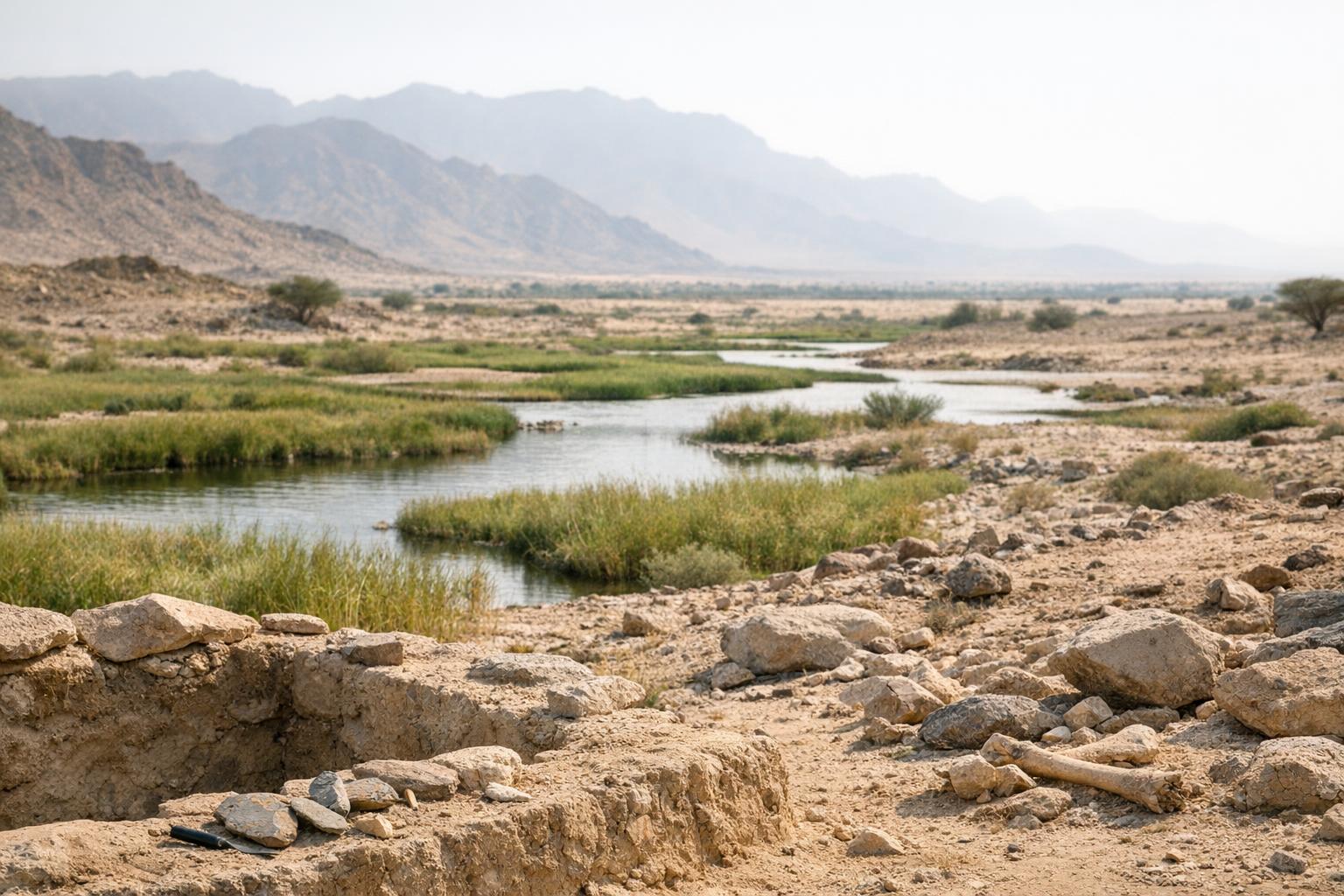
In a groundbreaking fusion of technology and archaeology, satellite archaeology is revealing thousands of hidden sites across the Middle East, offering unprecedented insights into ancient civilizations that once thrived in this storied region.
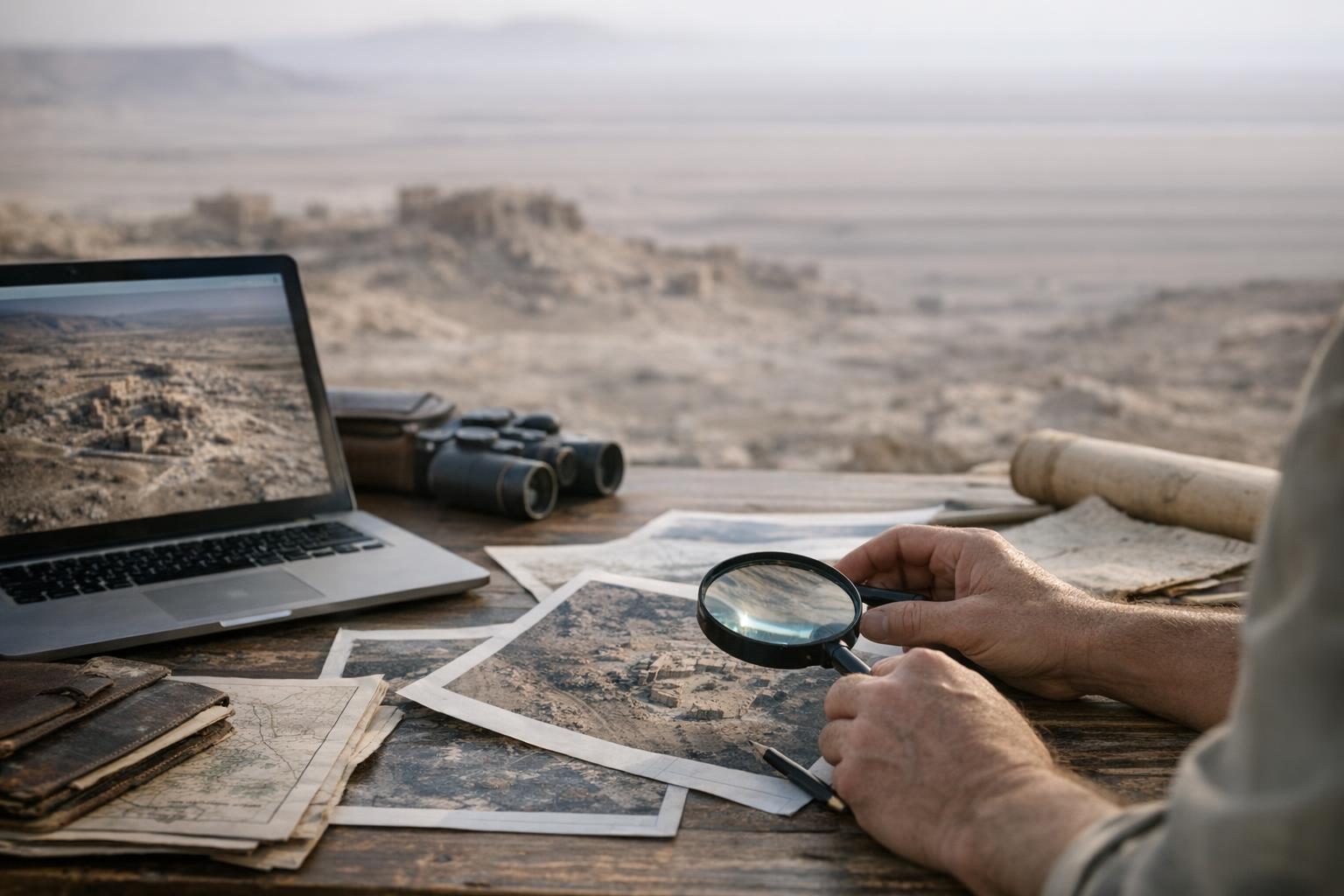
The Middle East, often referred to as the cradle of civilization, is a land rich with historical narratives and archaeological treasures. However, much of this cultural heritage remains hidden beneath the sands and rocky terrains. Traditional archaeological methods, while effective, are often limited by the sheer scale of potential sites to explore. Satellite archaeology, utilizing high-resolution images from space, is transforming our approach to middle east exploration, allowing researchers to pinpoint locations of interest with remarkable precision.
The Intersection of Technology and Ancient History
Unveiling the Past through Digital Eyes
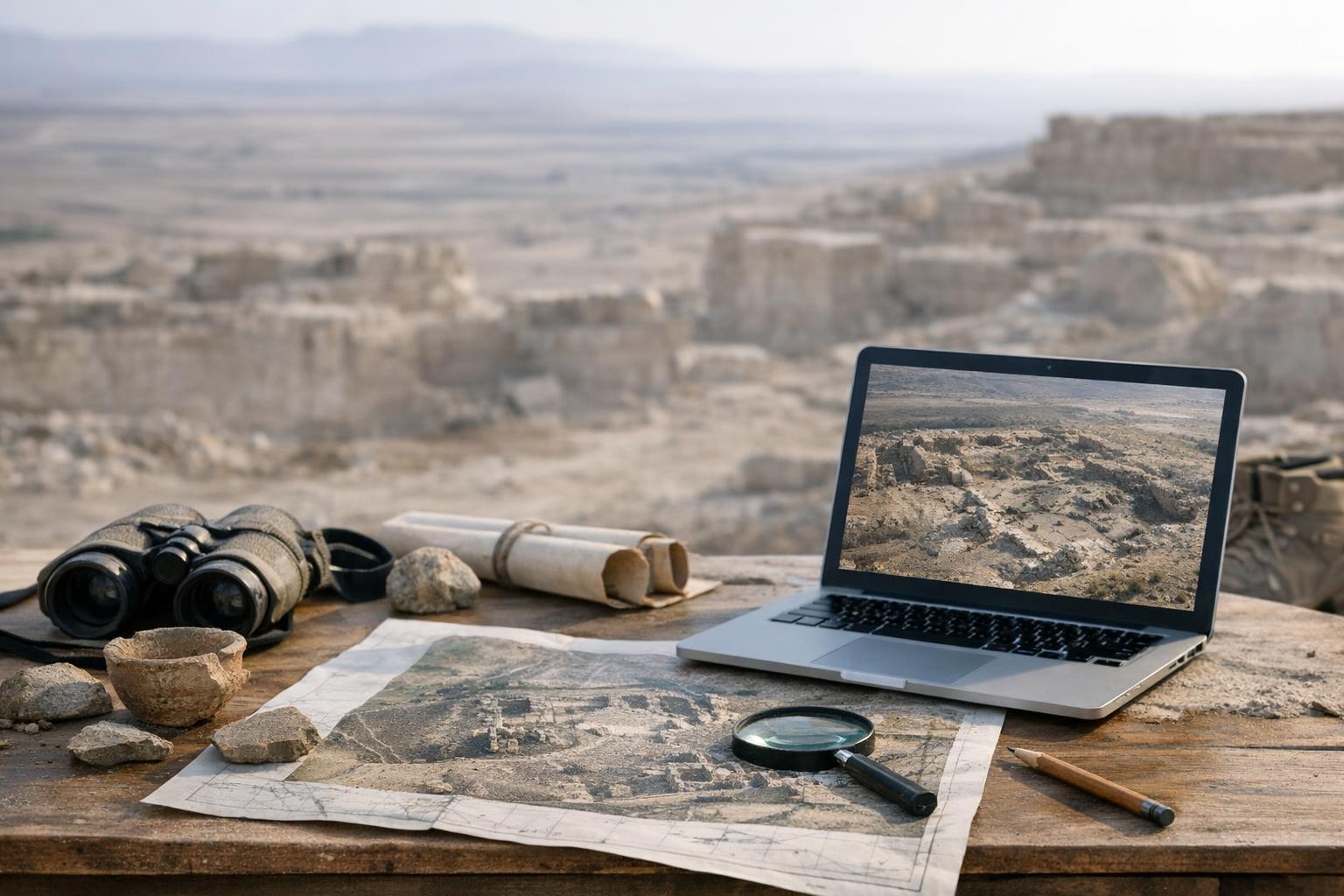
The advent of satellite technology has provided archaeologists with a powerful tool to survey large and previously inaccessible areas. By analyzing satellite images, scientists can detect subtle changes in vegetation, soil, and topography that suggest the presence of archaeological features. This method has enabled the discovery of ancient roads, settlements, and even entire cities, hidden for millennia beneath desert sands.
Field archaeologists are now equipped with detailed maps and coordinates before they even set foot on the ground, dramatically increasing the efficiency of their fieldwork. Expeditions, such as those conducted by the Explorers Club Middle East Chapter, have been able to verify satellite findings in the field, confirming the existence of structures that once played pivotal roles in the region's history.
A Human Story Unfolding
The Scientific and Conservation Impacts
Beyond the technological marvel, satellite archaeology connects us to the human stories of the past. Each discovery reveals details of the lives, cultures, and histories of peoples who have long since vanished. Explorers and archaeologists, driven by a passion for uncovering these stories, find themselves as modern-day adventurers piecing together the grand puzzle of human history.
The implications of satellite archaeology extend beyond scientific discovery, offering crucial insights for conservation efforts. By identifying and documenting sites, researchers can prioritize areas for protection, ensuring that these irreplaceable cultural assets are preserved for future generations. Furthermore, understanding past human-environment interactions can inform current conservation strategies, providing lessons from history to address modern environmental challenges.
Charting the Future of Exploration
The Middle East's archaeological wealth is not just of regional significance but holds global importance. The discoveries made possible by satellite archaeology enhance our understanding of early human civilizations and their contributions to the world. These findings enrich the global cultural heritage, offering insights into the shared history of humanity.
As technology continues to advance, the potential for satellite archaeology is boundless. Future developments in satellite imaging and data analysis will likely reveal even more about the hidden histories of the Middle East. Yet, much remains unknown, and each discovery raises new questions about the past cultures that inhabited this region.
The ongoing exploration of the Middle East through satellite archaeology promises to yield exciting new findings, ensuring that the field remains vibrant and dynamic. This synergy of technology and traditional archaeology heralds a new era of discovery that pushes the boundaries of what we know about ancient civilizations.
As we continue to unearth the secrets of the Middle East, the Explorers Club Middle East Chapter invites you to join us on this journey of discovery. Whether through supporting our expeditions, attending our events, or following our work, there are numerous ways to engage with the fascinating world of scientific exploration.