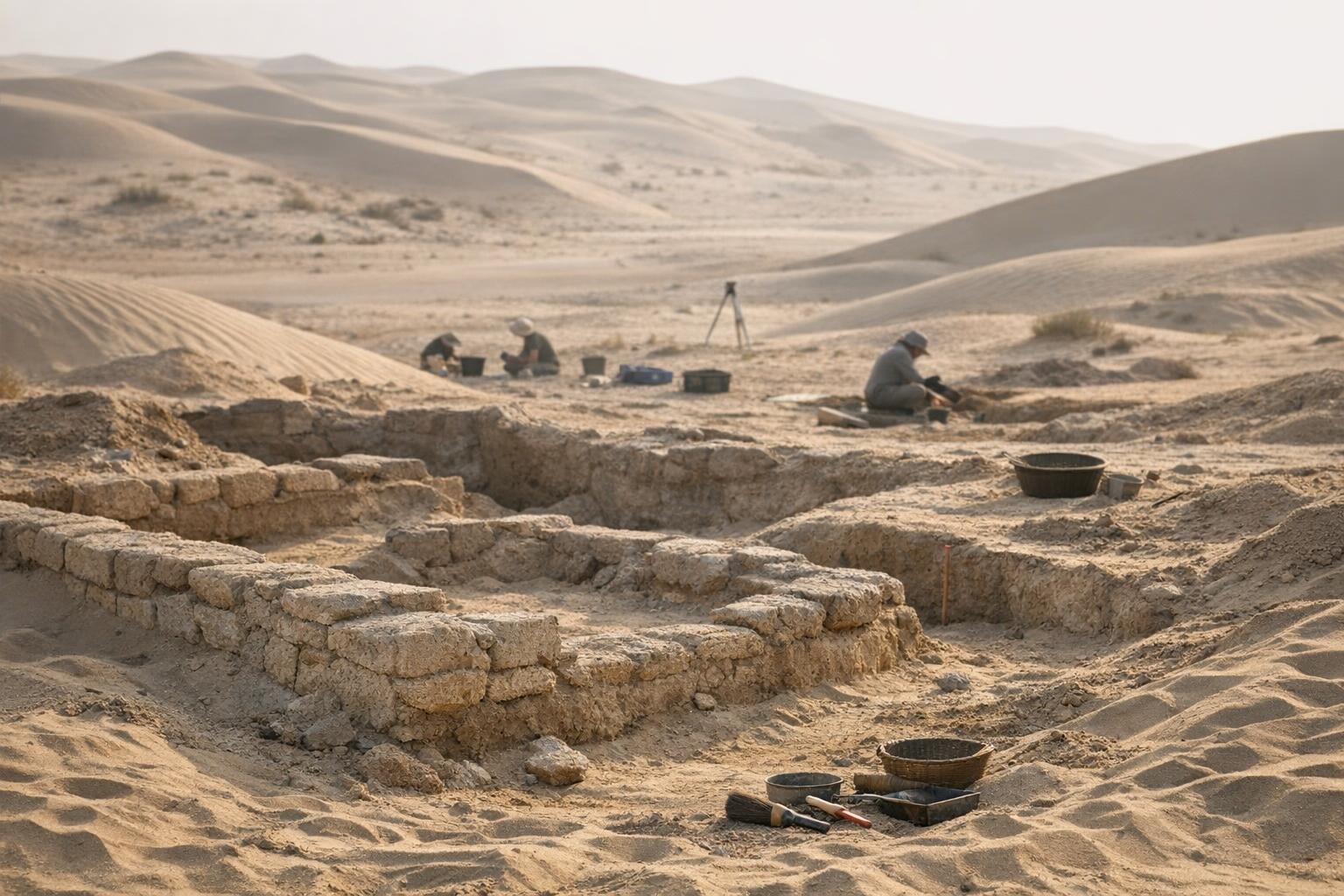
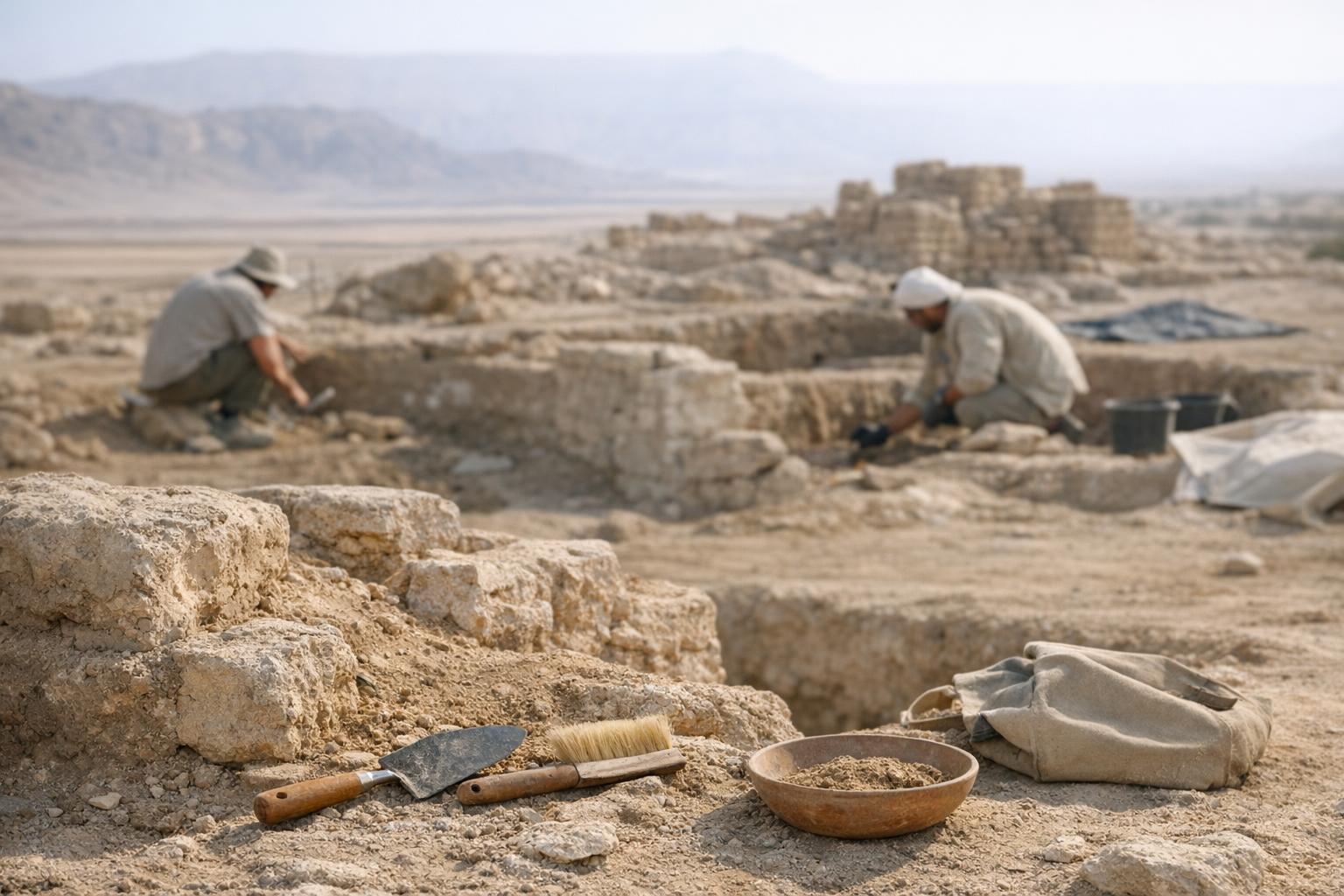
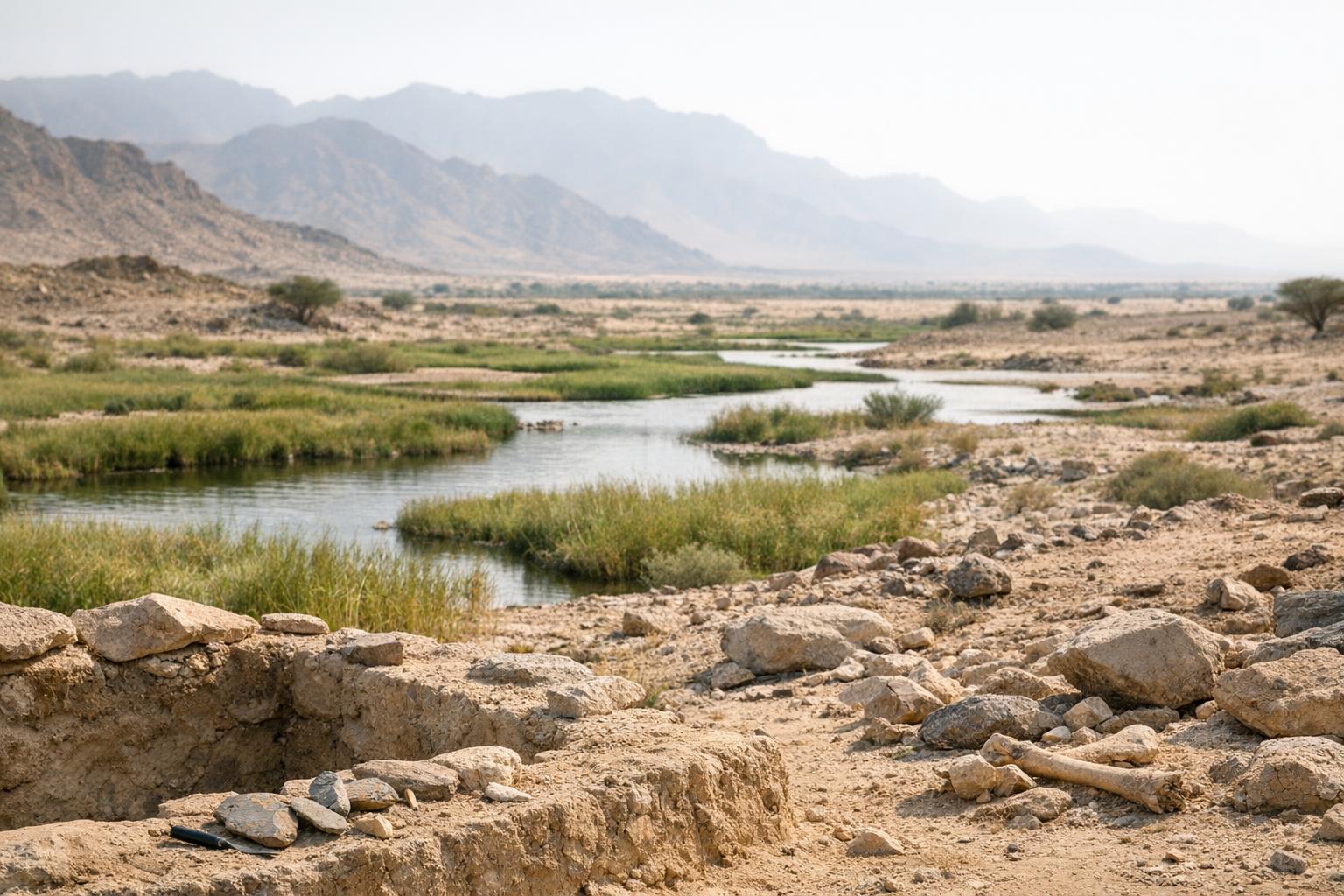
In recent years, satellite archaeology has revolutionized the way we explore the Middle East, revealing thousands of previously hidden archaeological sites. This cutting-edge technology is transforming our understanding of history in one of the most historically rich regions of the world.
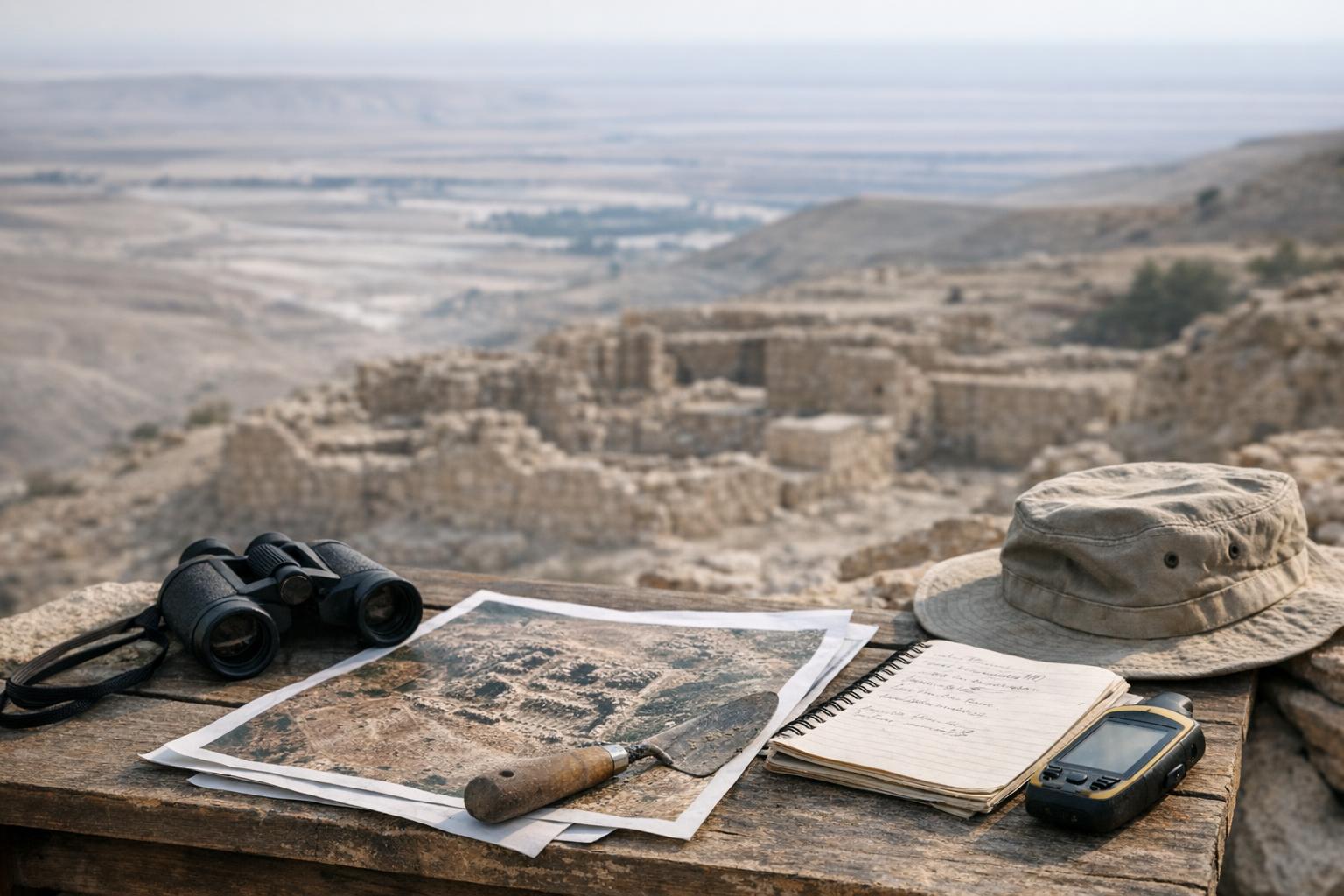
Archaeology has traditionally relied on on-site excavations and chance discoveries. However, the integration of satellite imagery into archaeological research is a game-changer. By analyzing high-resolution images from space, researchers can detect subtle changes in vegetation or soil that indicate human activity, even when buried beneath the sands for millennia.
The Intersection of Technology and Archaeology
Unveiling the Past from Above
The Middle East, often referred to as the cradle of civilization, is a treasure trove of archaeological wonders. Satellite archaeology allows scientists to peer through layers of history without disturbing the fragile sites themselves. Techniques such as infrared imaging and radar have revealed hidden roads, settlements, and fortifications that were previously lost to time.
Field archaeologists, equipped with satellite data, are now able to target their efforts more precisely, saving time and resources. This means that instead of the painstaking and sometimes fruitless digs of the past, researchers can focus on areas with the highest potential for significant discoveries.
Voices from the Field
The Impact on Conservation and Cultural Heritage
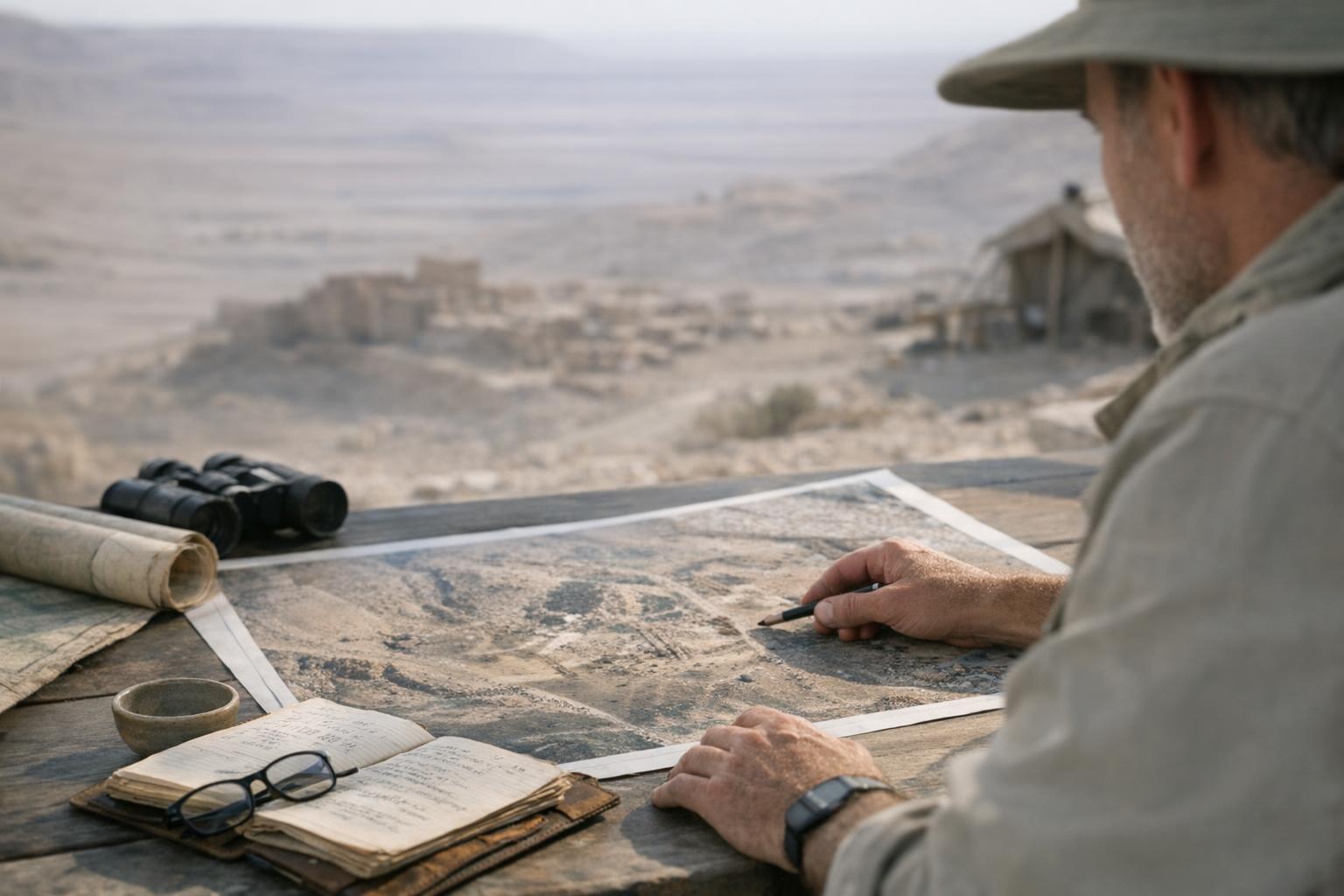
One of the many voices in this technological revolution is Dr. Leila Hassan, an archaeologist working in the deserts of Jordan. Her team has discovered several ancient villages that were previously unknown. 'Using satellite data, we've been able to identify patterns and structures that aren't visible from the ground,' she explains, highlighting how these tools are reshaping exploration strategies.
The implications of satellite archaeology extend beyond discovery. By identifying and documenting sites from space, we can better protect them from modern threats such as urban expansion and looting. This proactive approach to conservation is crucial in a region where cultural heritage is at constant risk.
A New Frontier in Global Archaeology
Moreover, the ability to study vast areas quickly and non-invasively helps international bodies and local governments prioritize conservation efforts. This ensures that the cultural and historical wealth of the Middle East is preserved for future generations.
The insights gained from Middle East exploration using satellite archaeology are influencing global archaeological practices. Techniques developed here are being adapted by researchers in other regions, demonstrating the universal value of these innovations. As technology advances, the possibilities for discovery are boundless.
Despite the leaps in technology, much remains unknown. Satellite archaeology raises as many questions as it answers, prompting a new era of exploration and study. Future advancements may reveal even more secrets hidden beneath the sands, offering a more complete picture of our shared past.
The Explorers Club Middle East Chapter invites you to join us on this journey of discovery. Stay connected with our efforts to uncover the hidden stories of the past and contribute to the preservation of our shared heritage. Together, we continue to push the boundaries of exploration.