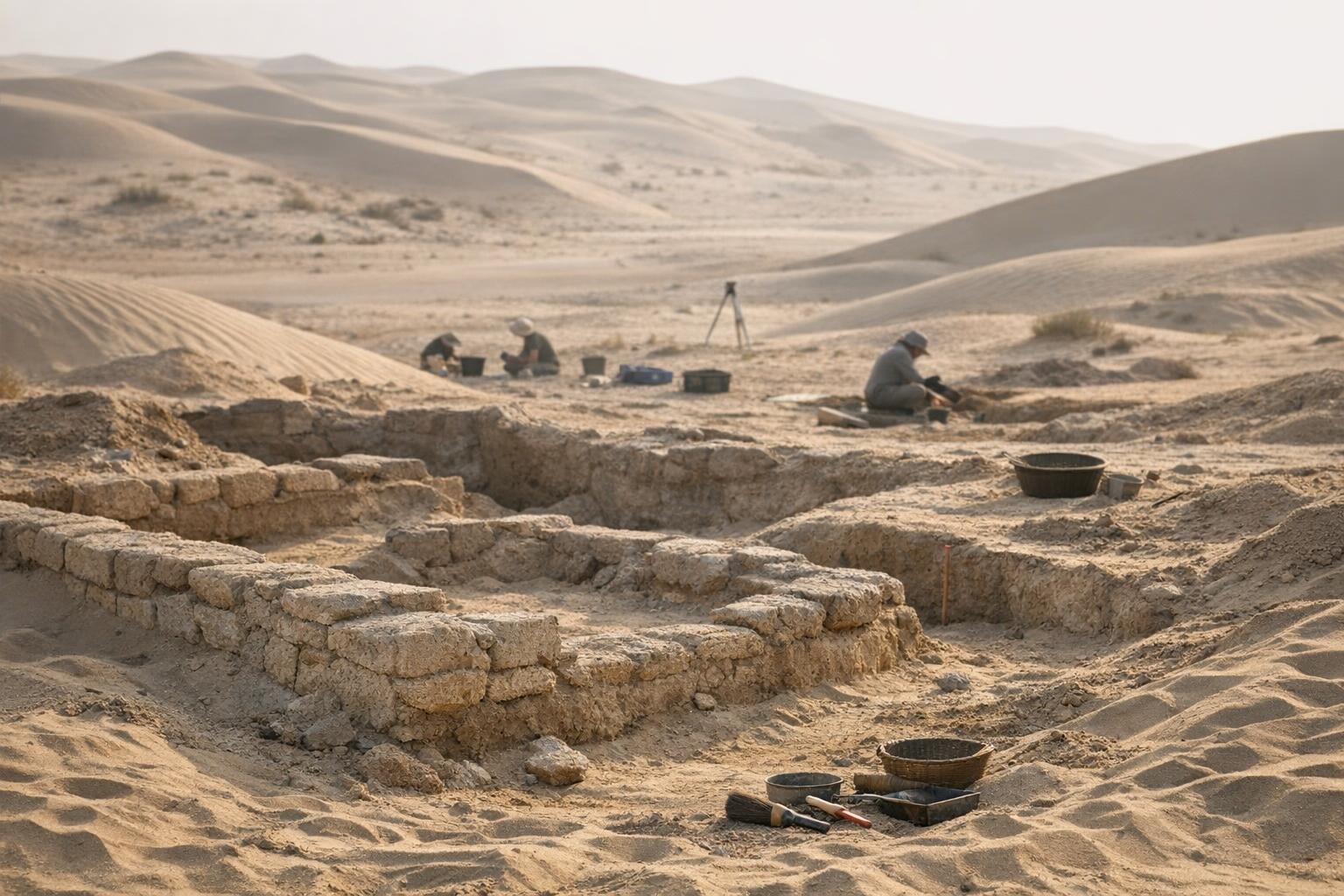
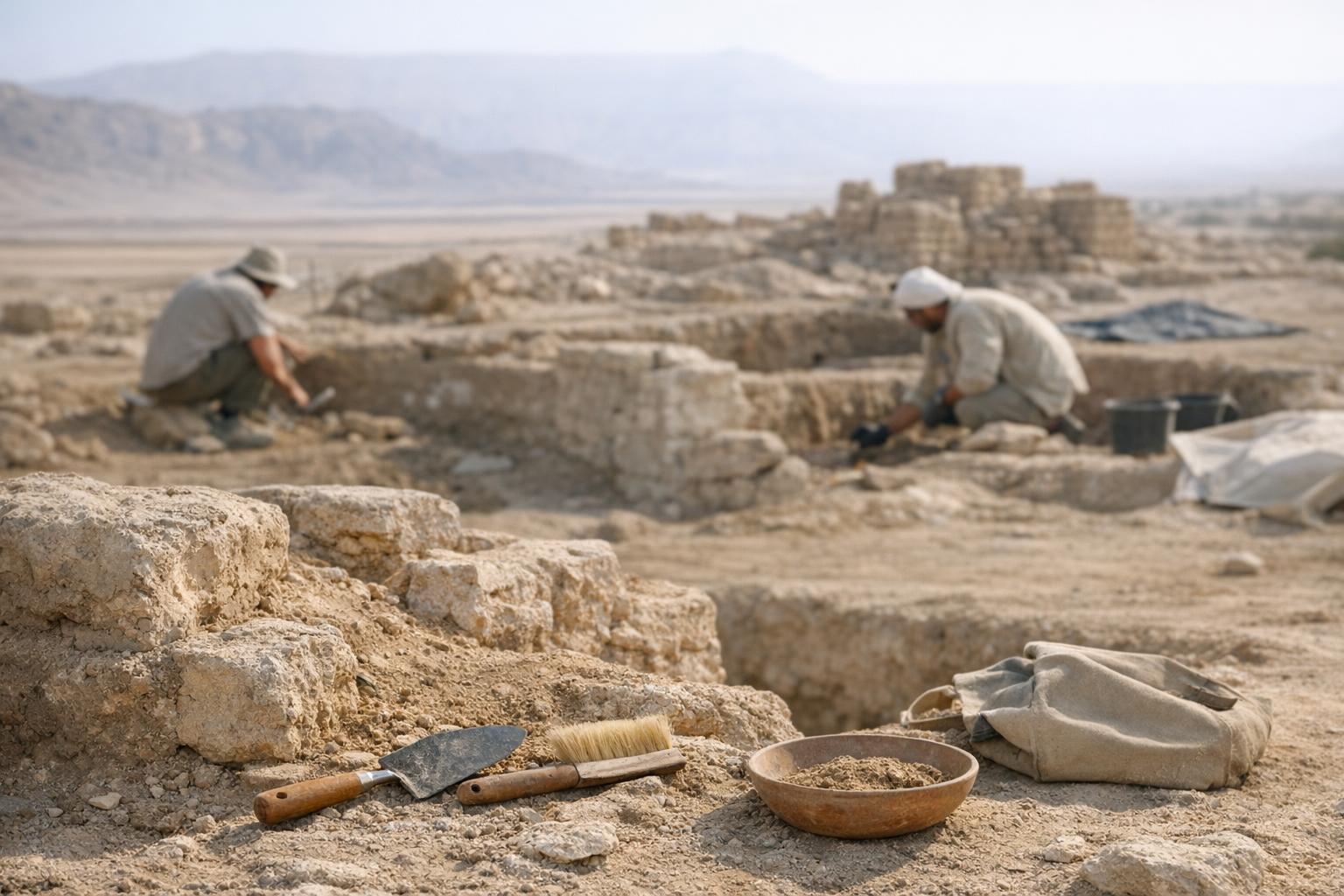
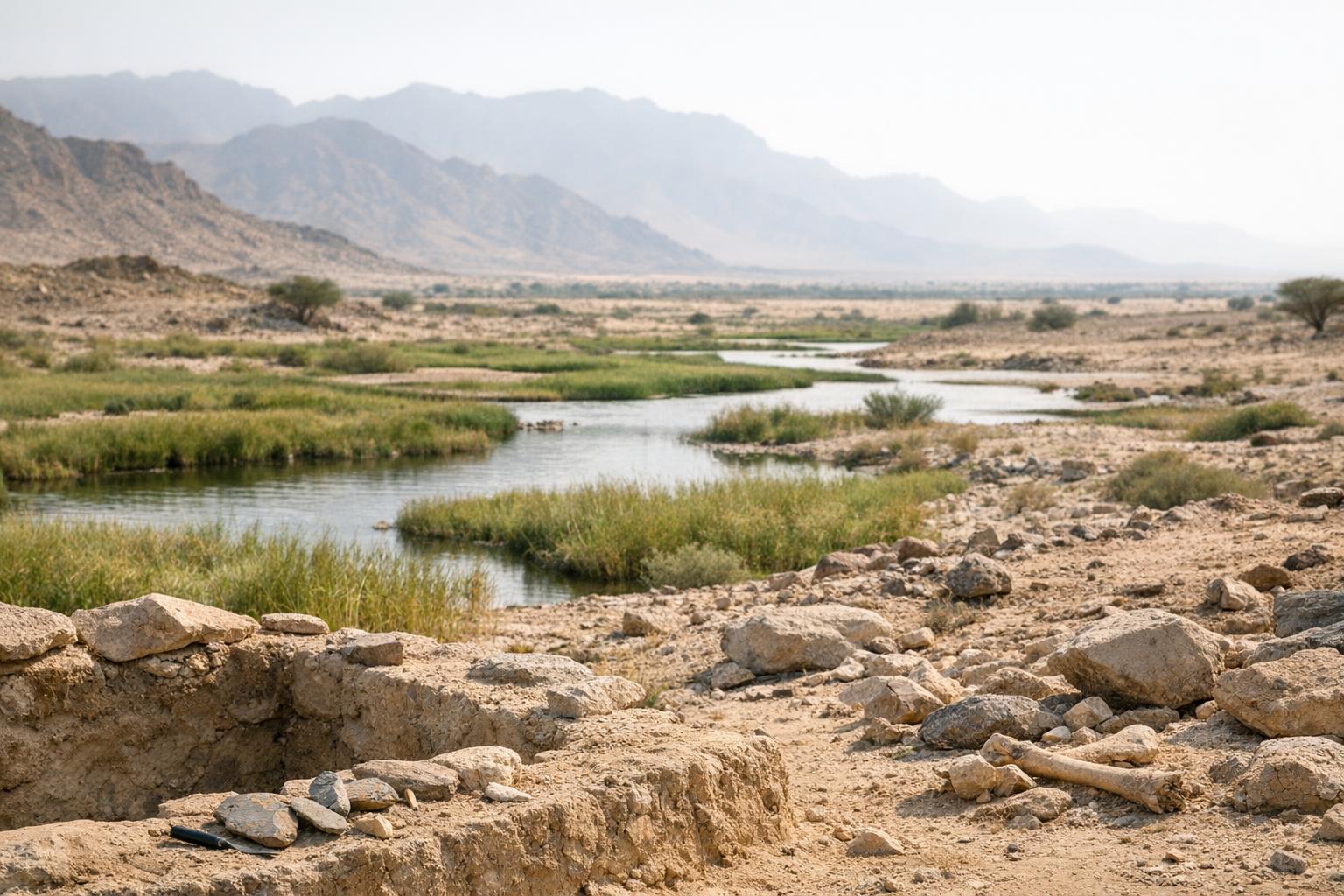
In the heart of the Middle East, an innovative technique is transforming our understanding of the ancient world. Satellite archaeology is revealing thousands of previously hidden archaeological sites, providing unprecedented insights into the region's rich history.
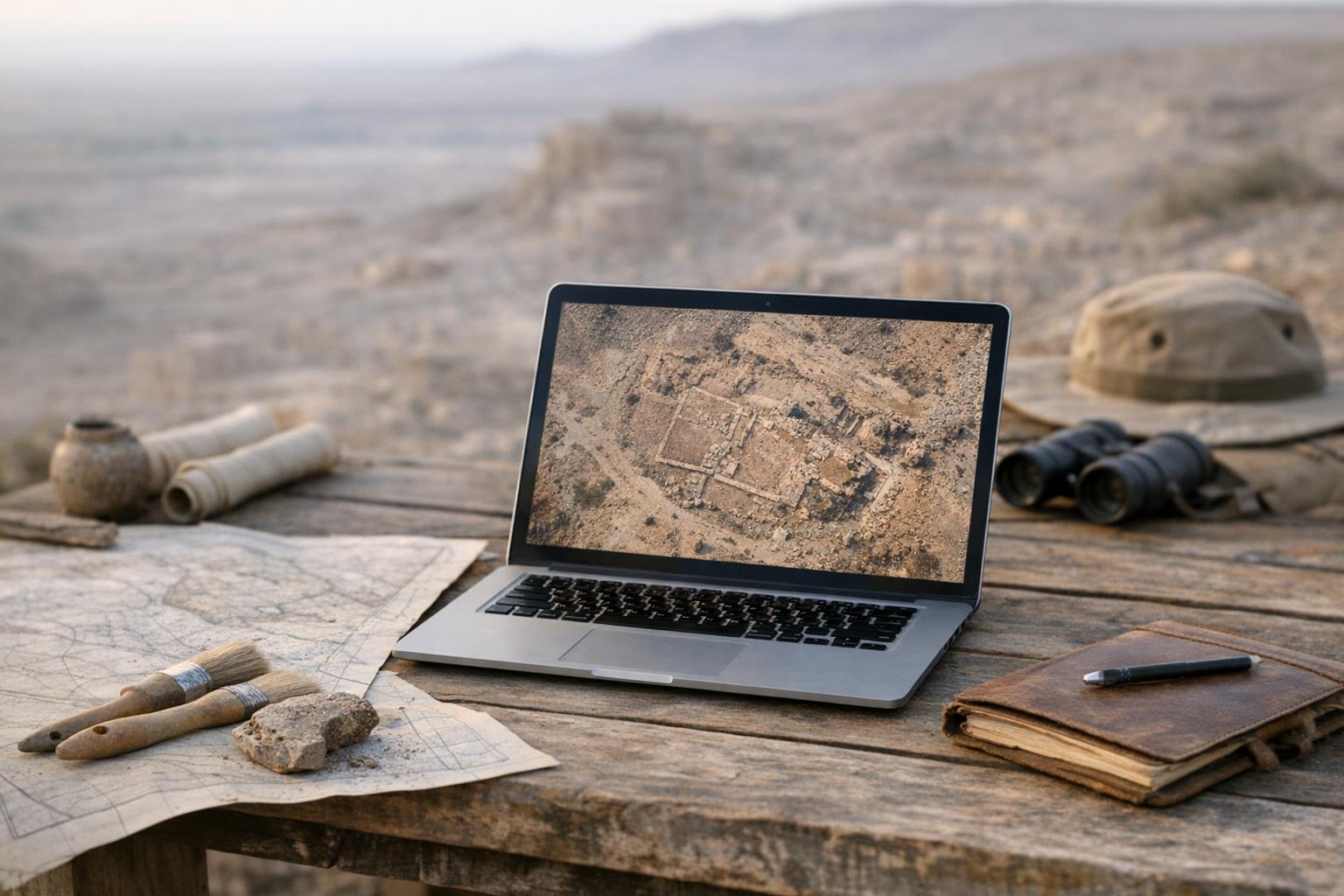
The Middle East has long been a cradle of civilization, with its landscapes dotted with the remnants of ancient cultures. However, harsh climates, political instability, and vast deserts have often hindered traditional archaeological exploration. Enter satellite archaeology, a field that leverages high-resolution satellite imagery to identify and map archaeological sites that were once buried under layers of earth and time.
A Modern Approach to Ancient History
The Science Behind Satellite Archaeology
Satellite archaeology employs advanced remote sensing technology to capture detailed images of the Earth's surface. By analyzing these images, scientists can detect subtle changes in vegetation, soil, and terrain that indicate the presence of ancient structures and settlements. The application of machine learning and GIS (Geographical Information Systems) further enhances the accuracy of these discoveries, allowing for the identification of features invisible to the naked eye.
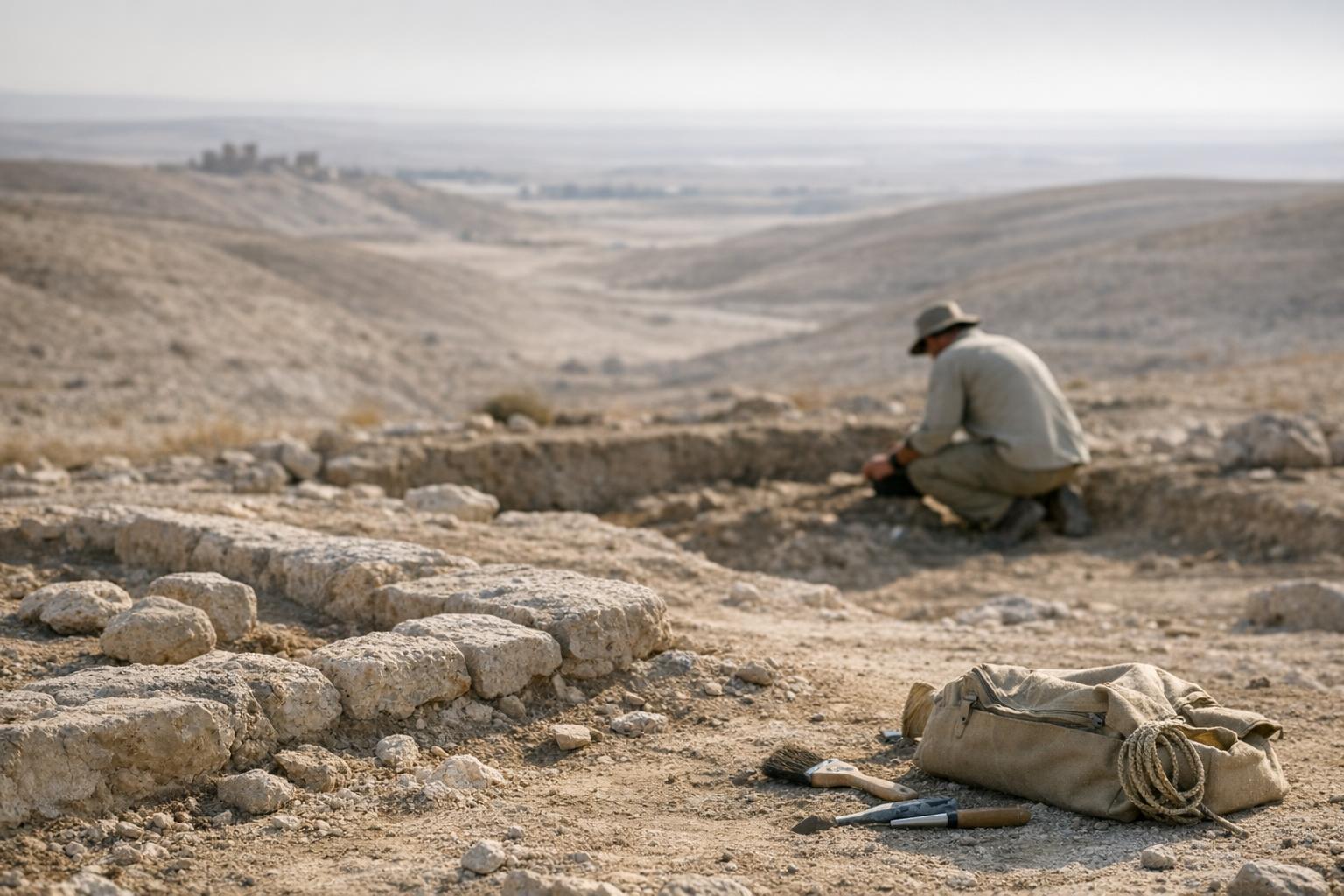
Field expeditions have become more targeted and efficient, guided by satellite data that pinpoints areas of interest. This shift from traditional ground survey methods not only saves time but also opens up previously inaccessible regions. Archaeologists are now able to plan their fieldwork with precision, focusing their efforts where satellite data suggests the most promising finds.
Voices from the Field
Implications for Conservation and Science
For explorers like Dr. Sarah Al-Mansouri, a seasoned archaeologist, satellite archaeology offers a new lens through which to view the Middle East. "It's like having a treasure map," she explains. "We're uncovering sites that have been hidden for millennia, changing our understanding of historical timelines and cultural interactions." Her enthusiasm is echoed by many in the field, who see this technology as a game-changer in archaeological research.
The implications of these discoveries extend beyond academic circles. By identifying and documenting sites before they are lost to development or natural erosion, satellite archaeology plays a crucial role in cultural heritage preservation. Additionally, understanding the spatial distribution and architecture of ancient sites can shed light on past human activities, migrations, and environmental adaptations.
A Future of Endless Possibilities
This middle east scientific discovery holds global significance. The methodologies developed and refined in the Middle East are applicable to archaeological sites worldwide, offering a blueprint for non-invasive exploration. As more regions adopt similar techniques, our collective knowledge of human history continues to expand, challenging and enriching existing narratives.
As technology evolves, the potential for satellite archaeology grows exponentially. Future advancements may allow for even more precise imaging, enabling archaeologists to uncover smaller and more deeply buried structures. However, much remains unknown. How many more sites lie hidden beneath the sands? What stories do they hold about our shared past? These questions drive the ongoing quest for discovery.
For the Explorers Club Middle East Chapter, these breakthroughs are just the beginning. As stewards of scientific exploration, the chapter is committed to supporting and expanding this pioneering work. By fostering collaboration among international researchers, the chapter aims to propel the field of satellite archaeology to new heights, ensuring that the mysteries of the Middle East continue to inspire future generations.
As we continue to unlock the secrets of the ancient world, the Explorers Club Middle East Chapter invites you to join us on this journey of discovery. Whether through attending our events, engaging with our community, or supporting our initiatives, your involvement can help shape the future of scientific exploration in this captivating part of the world.